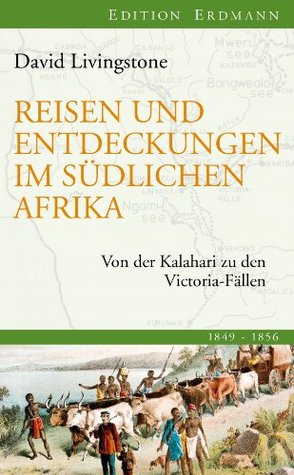
Eine schmucklose Platte im Boden der Westminster-Abtei in London kennzeichnet das Grab von David Livingstone. Was zunächst unspektakulär anmutet, ist in Wahrheit die höchste Auszeichnung, die neben Kolumbus keinem anderen Entdecker der Weltgeschichte zuteilwurde. Der furchtlose Schotte hat sie sich hart erarbeitet. Sohn eines Baumwollspinners, eignete er sich im Selbststudium medizinische und theologische Kenntnisse an und ging 1840 als Missionar nach Südafrika. In drei abenteuerlich-strapaziösen Reisen gelang ihm, was noch keinem Forscher vor ihm geglückt war: Er entdeckte den Ngamisee im Norden des ehemaligen Betschuanalandes, erforschte in einem 4000 Kilometer langen Marsch bis nach Luanda den oberen Sambesi, brach von dort zu einer Expedition quer durch den Kontinent zur Ostküste auf und stieß schließlich auf die nach Queen Victoria benannten Victoria-Fälle.






















Livingstone was a Scottish missionary and one of the greatest European explorers of Africa, whose opening up the interior of the continent contributed to the 'Scramble for Africa'.
David Livingstone was born at Blantyre. At 10 he began working in the local cotton mill, with school lessons in the evenings. In 1836, he began studying medicine and theology in Glasgow and decided to become a missionary doctor. In 1841, he was posted to the edge of the Kalahari Desert in southern Africa.
Perhaps one of the most popular national heroes of the late 19th century in Victorian Britain, Livingstone had a mythic status: that of Protestant missionary martyr, that of working-class "rags to riches" inspirational story, that of scientific investigator and explorer, that of imperial reformer, and anti-slavery crusader.
Livingstone became convinced of his mission to reach new peoples in the interior of Africa and introduce them to Christianity, as well as freeing them from slavery. It was this which inspired his explorations.
He died on 1 May 1873. His body was taken back to England and buried in Westminster Abbey.
... Show more