This beautifully illustrated book retells Dr David Livingstone’s voyage of discovery down the River Zambesi from 1858 to 1864. Funded by the British Government, the Zambesi Expedition was supposed to explore the natural resources of south east Africa and identify possible commercial markets for the Empire. Unfortunately for Livingstone, the Expedition suffered huge problems as the Zambesi proved to be impassable in many places, and he suffered difficulties with labour because of fever, the slave-routes, endemic warfare and personal differences with his British companions. By early 1864, due to lack of food, navigational problems and the desertion or death of many of his porters and co-explorers, including his wife Mary, it was clear this mission was over.
Dr David Livingstone was, however, a true Victorian hero, and although at the time, this trip was seen by many as a failure, he was later lauded as a great explorer, Christian missionary and reformer. His personal campaign against the brutality of the slave-trade, which was rife along the shores of the Zambesi, inspired the abolitionists, and his discoveries of Victoria Falls and Lake Malawi and his travels down the Zambesi and its tributaries filled in many empty parts of the map of Africa.
• OVER 30 ILLUSTRATIONS

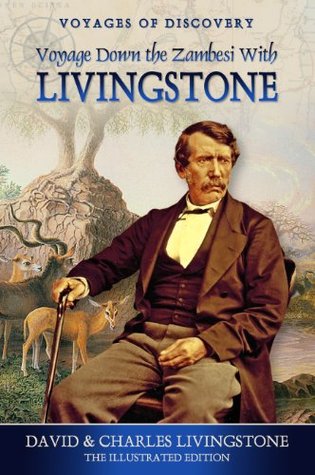





















Livingstone was a Scottish missionary and one of the greatest European explorers of Africa, whose opening up the interior of the continent contributed to the 'Scramble for Africa'.
David Livingstone was born at Blantyre. At 10 he began working in the local cotton mill, with school lessons in the evenings. In 1836, he began studying medicine and theology in Glasgow and decided to become a missionary doctor. In 1841, he was posted to the edge of the Kalahari Desert in southern Africa.
Perhaps one of the most popular national heroes of the late 19th century in Victorian Britain, Livingstone had a mythic status: that of Protestant missionary martyr, that of working-class "rags to riches" inspirational story, that of scientific investigator and explorer, that of imperial reformer, and anti-slavery crusader.
Livingstone became convinced of his mission to reach new peoples in the interior of Africa and introduce them to Christianity, as well as freeing them from slavery. It was this which inspired his explorations.
He died on 1 May 1873. His body was taken back to England and buried in Westminster Abbey.
... Show more