
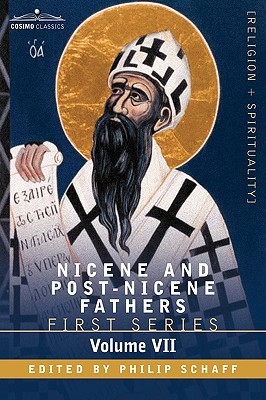
Gospel of John, First Epistle of John, Soliliques
by Augustine
The Council of Nicaea in 325 AD marked the beginning of a new era in Christianity. For the first time, doctrines were organized into a single creed. The Nicene and Post-Nicene Fathers did most of their writing during and after this important event in Church history. Unlike the previous era of Christian writing, the Nicene and Post-Nicene era is dominated by a few very important and prolific writers. In Volume VII of the 14-volume collected writings of the Nicenes and Post-Nicenes (first published between 1886 and 1889), readers will discover Saint Augustine s commentaries on the writings of John and his first writings as a newly converted Christian. In the Soliloquies, Augustine reasons through his conversion, trying to justify his new faith; these are intensely personal journeys toward truth, the product of a thoughtful soul seeking comfort and reassurance. Spiritual seekers wavering in their faith may find both sections of this book helpful in exploring their beliefs.
BUY NOW
Paperback, Nicene and Post-Nicene Fathers: First Series, Volume VII St. Augustine, 596 pages
Published May 1st 2007 by Cosimo Classics (first published 400)



品牌集团


















© 2025 Bibleportal.com 版权所有.
Aurelius Augustinus - more commonly "St. Augustine of Hippo," or simply "Augustine" - was a philosopher and theologian, and one of the most important figures in the development of Western Christianity. He framed the concepts of original sin and just war. Augustine was one of the most prolific Latin authors in terms of surviving works, and the list of his works consists of more than a hundred separate titles.
Augustine took the view that the Biblical text should not be interpreted literally if it contradicts what we know from science and our God-given reason. Many Protestants, especially Calvinists, consider him to be one of the theological fathers of Reformation teaching on salvation and divine grace.
... Show more