
Inspirational Quotes on Providence


“...this insolence was turned by the providence of God to a very different purpose; for the face of Christ, dishonoured by spitting and blows, has restored to us that image which had been disfigured, and almost effaced, by sin.”
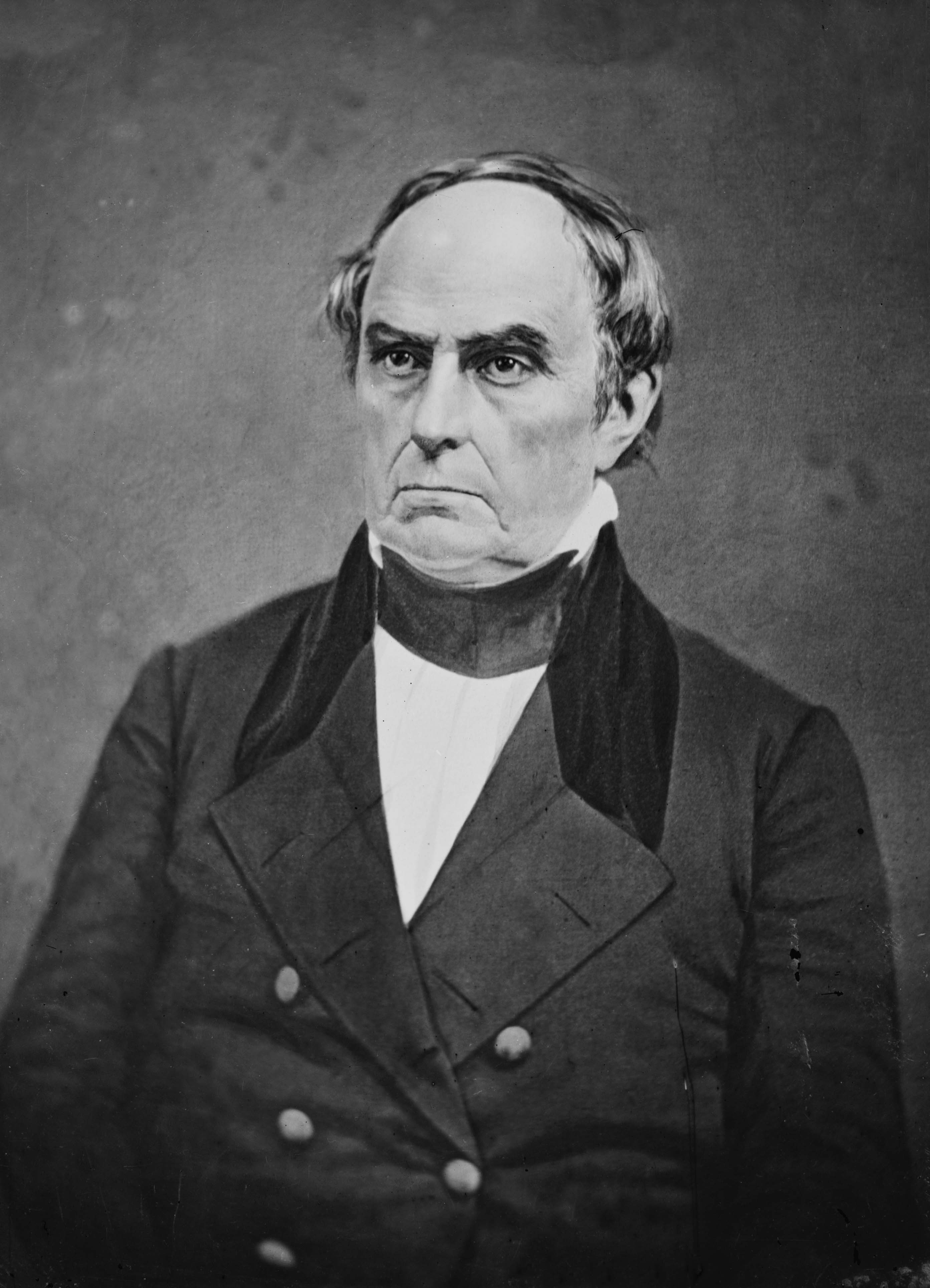
“History is God's providence in human affairs.”

“If we be empty and poor, it is not because God's hand is straitened, but ours is not opened.”
topics: Providence

“A providence is shaping our ends; a plan is developing in our lives; a supreme and loving Being is making all things work together for good.”

“I believe that we are conforming to the divine order and the will of Providence when we are doing even indifferent things that belong to our condition.”
“God, who is liberal in all his other gifts, shows us, by the wise economy of his providence, how circumspect we ought to be in the management of our time, for he never gives us two moments together.”
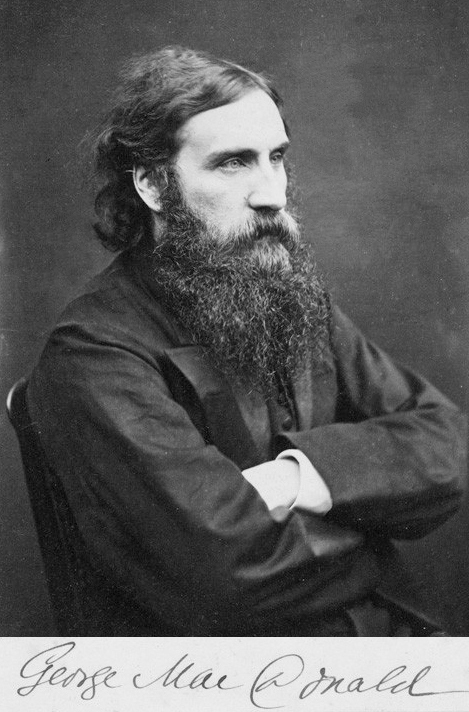
“To the dim and bewildered vision of humanity, God's care is more evident in some instances than in others; and upon such instances men seize, and call them providences. It is well that they can; but it would be gloriously better if they could believe that the whole matter is one grand providence.”
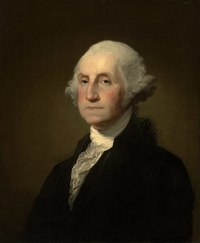
“Providence has at all times been my only dependence, for all other resources seemed to have failed us.”
“Providence has done, and I am persuaded is disposed to do, a great deal for us; but we are not to forget the fable of Jupiter and the countryman.”
“It is the duty of all Nations to acknowledge the providence of Almighty God, to obey His will, to be grateful for His benefits, and humbly to emplore His protection and favor.”
“By the all-powerful dispensations of Providence I have been protected beyond all human probability or expectation; for I had four bullets through my coat, and two horses shot under me yet escaped unhurt, although death was leveling my companions on every side of me!”
topics: Providence
“Nothing that happens in the world happens by chance. God is a God of order. Everything is arranged upon definite principles, and never at random. The world, even the religious world, is governed by law. Character is governed by law. Happiness is governed by law. The Christian experiences are governed by law.”
topics: Providence
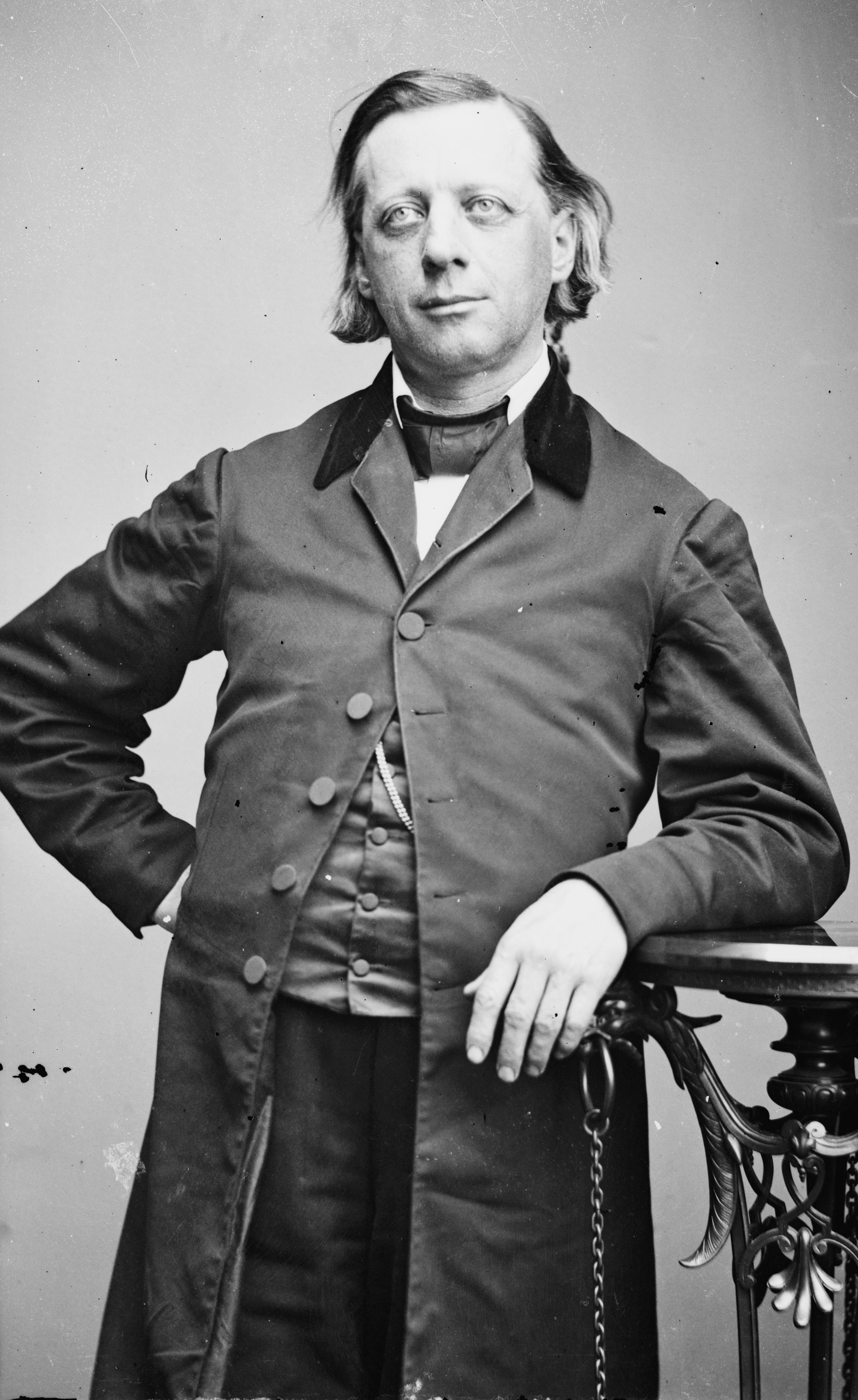
“A door that seems to stand open must be of a man's size, or it is not the door that providence means for him.”

“Nothing whatever, whether great or small, can happen to a believer, without God's ordering and permission. There is no such thing as "chance," "luck" or "accident" in the Christian's journey through this world. All is arranged and appointed by God. And all things are "working together" for the believer's good.”
topics: Providence

“I thank God that I have known hunger; I know what it is for God to feed me.”
topics: Providence
“The thing that God wants from us more than anything else is our dependency on Him.”
topics: Providence

“On the head of Christ are many crowns. He wears the crown of victory; He wears the crown of sovereignty; He wears the crown of creation; He wears the crown of providence; He wears the crown of grace; He wears the crown of glory - for every one of His glorified people owes his honor, happiness and blessedness to Him.”
“As every mercy is a drop obtained from the ocean of God's goodness, so every affliction is a drachm weighed out in the wisdom of God's providence.”
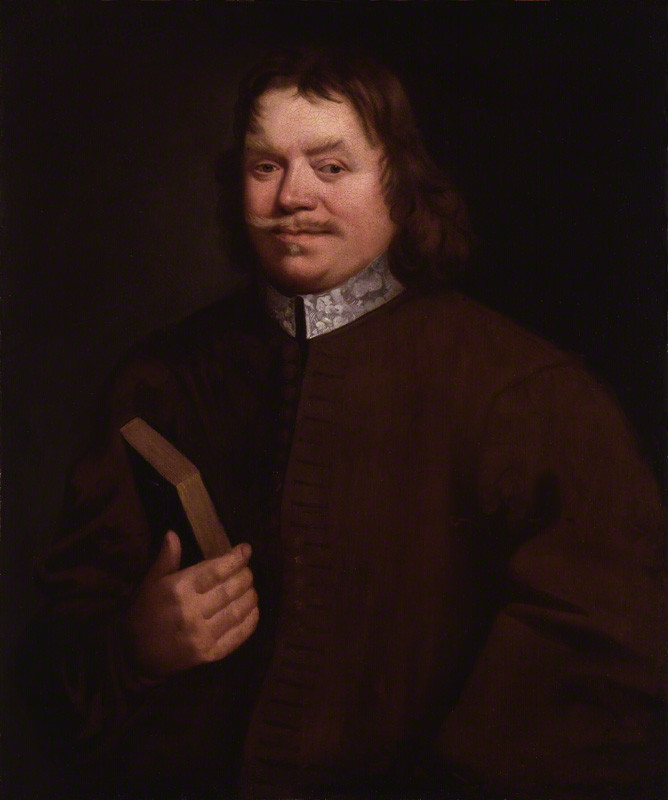
“God will not lightly or easily lose His people. He has provided well for us: blood to wash us in; a Priest to pray for us, that we may be made to persevere; and, in case we foully fall, an Advocate to plead our cause.”
topics: Providence



Grupo de marcas


















© 2026 Bibleportal.com Reservados todos los derechos.