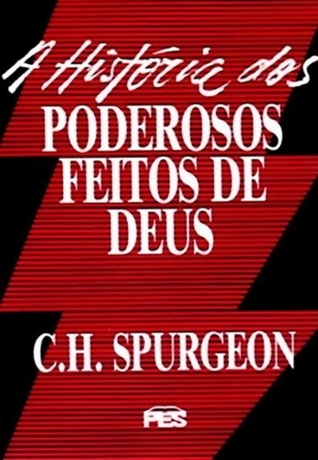
Um relato animador de como Deus opera em avivamentos. Passados quarentas anos um membro do Tabernáculo Metropolitano escreveu: Nunca me esquecerei do sermão pregado em 17 de julho de 1859, A História dos Poderosos Feitos de Deus
Como o Sr. Spurgeon se empolgou na pregação daquela manhã! Suas palavras fluiram como uma torrente de eloqüência sagrada. O Autor Charles Haddon Spurgeon nasceu em 1834 e faleceu em 1892. Seu primeiro pastorado, aos 17 anos de idade, foi numa igreja em Cambridgeshire. Mudou-se para New Park Street Chapel, Londres, em 1854, e em 5 anos tornou-se o ministro mais famoso da cidade
A pedra fundamental de um novo edifício chamado Metropotitan Tabernacle foi lançada em 1859, e aí Spurgeon pregou constantemente para uma congregação de cerca de 6000 pessoas. Também alcançou uma audiência maior de aproximadamente um milhão de pessoas a quem se dirigia semanalmente através de seus sermões impressos






















C.H. Spurgeon (1834 - 1892)
Spurgeon quickly became known as one of the most influential preachers of his time. Well known for his biblical powerful expositions of scripture and oratory ability. In modern evangelical circles he is stated to be the "Prince of Preachers." He pastored the Metropolitan Tabernacle in downtown London, England.His church was part of a particular baptist church movement and they defended and preached Christ and Him crucified and the purity of the Gospel message. Spurgeon never gave altar calls but always extended the invitation to come to Christ. He was a faithful minister in his time that glorified God and brought many to the living Christ.
Charles Haddon Spurgeon was England's best-known preacher for most of the second half of the nineteenth century. In 1854, just four years after his conversion, Spurgeon, then only 20, became pastor of London's famed New Park Street Church (formerly pastored by the famous Baptist theologian John Gill).
The congregation quickly outgrew their building, moved to Exeter Hall, then to Surrey Music Hall. In these venues Spurgeon frequently preached to audiences numbering more than 10,000 - all in the days before electronic amplification.
In 1861 the congregation moved permanently to the new Metropolitan Tabernacle.
... Show more