“GLORY to God in the highest.” The instructive lesson to be learned from this opening note of the angels’ song is, that salvation is God’s highest glory. He is glorified in every dewdrop that twinkles in the morning sunshine. He is magnified in every wood flower that blossoms in the copse, although it is born to blush unseen of man, and may seem to waste its sweetness on the forest air. God is glorified in every bird that warbles on the trees, and in every lamb that skips in the meadows. Do not the fishes in the sea praise Him? From the tiny minnow to the huge leviathan, do not all creatures that swim in the waters laud and magnify His great Name? Do not all created things extol Him? Is there aught beneath the sky, save man, that doth not glorify God? Do not the stars exalt Him, when they write His Name in golden letters upon the azure of heaven? Do not the lightnings adore Him when they flash His brightness in arrows of light piercing the midnight darkness? Do not the thunderpeals extol Him when they roll like drums in the march, of the God of armies? Do not all things that He hath made, from the least even to the greatest, exalt Him?

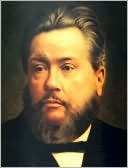





















C.H. Spurgeon (1834 - 1892)
Spurgeon quickly became known as one of the most influential preachers of his time. Well known for his biblical powerful expositions of scripture and oratory ability. In modern evangelical circles he is stated to be the "Prince of Preachers." He pastored the Metropolitan Tabernacle in downtown London, England.His church was part of a particular baptist church movement and they defended and preached Christ and Him crucified and the purity of the Gospel message. Spurgeon never gave altar calls but always extended the invitation to come to Christ. He was a faithful minister in his time that glorified God and brought many to the living Christ.
Charles Haddon Spurgeon was England's best-known preacher for most of the second half of the nineteenth century. In 1854, just four years after his conversion, Spurgeon, then only 20, became pastor of London's famed New Park Street Church (formerly pastored by the famous Baptist theologian John Gill).
The congregation quickly outgrew their building, moved to Exeter Hall, then to Surrey Music Hall. In these venues Spurgeon frequently preached to audiences numbering more than 10,000 - all in the days before electronic amplification.
In 1861 the congregation moved permanently to the new Metropolitan Tabernacle.
... Show more