
- Bible
- Read the Bible
- Bible Versions
- Verse of the Day
- Reading Plans
- Verses by Topic
- Books of the Bible
- Bible Images
- Study
- Commentaries
- Concordances
- Dictionaries
- Encyclopedias
- Sermons
- Bible Atlas & Maps
- BP Wiki
- Devotionals
- Today's Devotionals
- All Devotionals
- Inspirational Quotes
- More
- Picture Quotes
- Videos
- Inspirational
- Bible Study
- What The Bible Says
- Bible Q&As
- Daily Bread
- Bible by Genre
- Bible Stories
- Random Bible Verse
- Community
- Store
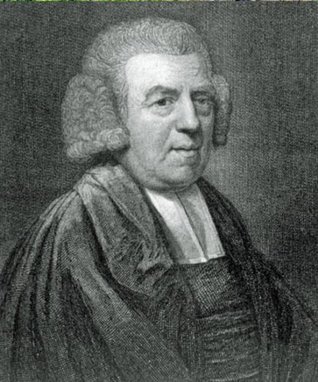
Messiah, Volume 2
by John Newton
John Newton - (1725-1807), Evangelical divine and hymn writer
Newton was born in London July 24, 1725, the son of a commander of a merchant ship which sailed the Mediterranean. When John was eleven, he went to sea with his father and made six voyages with him before the elder Newton retired. In 1744 John was impressed into service on a man-of-war, the H. M. S. Harwich. Finding conditions on board intolerable, he deserted but was soon recaptured and publicly flogged and demoted from midshipman to common seaman.
Finally at his own request he was exchanged into service on a slave ship, which took him to the coast of Sierra Leone. He then became the servant of a slave trader and was brutally abused. Early in 1748 he was rescued by a sea captain who had known John's father. John Newton ultimately became captain of his own ship, one which plied the slave trade.
Although he had had some early religious instruction from his mother, who had died when he was a child, he had long since given up any religious convictions. However, on a homeward voyage, while he was attempting to steer the ship through a violent storm, he experienced what he was to refer to later as his "great deliverance." He recorded in his journal that when all seemed lost and the ship would surely sink, he exclaimed, "Lord, have mercy upon us." Later in his cabin he reflected on what he had said and began to believe that God had addressed him through the storm and that grace had begun to work for him.
Newton was born in London July 24, 1725, the son of a commander of a merchant ship which sailed the Mediterranean. When John was eleven, he went to sea with his father and made six voyages with him before the elder Newton retired. In 1744 John was impressed into service on a man-of-war, the H. M. S. Harwich. Finding conditions on board intolerable, he deserted but was soon recaptured and publicly flogged and demoted from midshipman to common seaman.
Finally at his own request he was exchanged into service on a slave ship, which took him to the coast of Sierra Leone. He then became the servant of a slave trader and was brutally abused. Early in 1748 he was rescued by a sea captain who had known John's father. John Newton ultimately became captain of his own ship, one which plied the slave trade.
Although he had had some early religious instruction from his mother, who had died when he was a child, he had long since given up any religious convictions. However, on a homeward voyage, while he was attempting to steer the ship through a violent storm, he experienced what he was to refer to later as his "great deliverance." He recorded in his journal that when all seemed lost and the ship would surely sink, he exclaimed, "Lord, have mercy upon us." Later in his cabin he reflected on what he had said and began to believe that God had addressed him through the storm and that grace had begun to work for him.
BUY NOW
Kindle Edition
Published (first published March 23rd 2010)
Subscribe
Get Bible verse every day in your inbox
Read on Mobile



Group of Brands


















© 2026 Bibleportal.com All rights reserved.
He was a strong support of the Evangelicals in the Church of England, and was a friend of the dissenting clergy as well as of the ministry of his own church.
He was the author of many hymns, including "Amazing Grace".
John Henry Newton was an English Anglican clergyman and former slave-ship captain. He was the author of many hymns, including "Amazing Grace".
Sailing back to England in 1748 aboard the merchant ship, he experienced a spiritual conversion in the Greyhound, which was hauling a load of beeswax and dyer's wood. The ship encountered a severe storm off the coast of Donegal and almost sank. Newton awoke in the middle of the night and finally called out to God as the ship filled with water. It was this experience which he later marked as the beginnings of his conversion to evangelical Christianity. As the ship sailed home, Newton began to read the Bible and other religious literature. By the time he reached Britain, he had accepted the doctrines of Evangelical Christianity.
He became well-known as an evangelical lay minister, and applied for the Anglican priesthood in 1757, although it was more than seven years before he was eventually accepted and ordained into the Church of England.
Newton joined English abolitionist William Wilberforce, leader of the Parliamentary campaign to abolish the slave trade, and lived to see the passage of the Slave Trade Act 1807.
... Show more