
Inspirational Quotes on Happiness


“It seemed to her that certain parts of the world must produce happiness as they produced peculiar plants which will flourish nowhere else.”
topics: happiness

“The eighteenth and nineteenth centuries abandoned the idea of spiritual or intellectual happiness in order to have this material happiness, consisting of a certain number of essential consumer goods. And hence, in the nineteenth century, happiness was linked to a well-being obtained by mechanical means, industrial means, production. The new thing that Saint-Just spoke about was that, in the past, happiness could appear as a very vague, very distant prospect for humanity, whereas now, people seemed to be within reach of the concrete, material possibility of attaining it. That was why happiness was to become an absolutely essential image for the nineteenth-century bourgeoisie, and for modern society. Happiness was attainable thanks to industrial development, and this image of happiness brought us fully into the consumer society.”
― Jacques Ellul ,
topics: consumer-culture , consumerism , happiness , industrial-production , industrialism , marketplace
“Man is fond of reckoning up his troubles, but does not count his joys.”
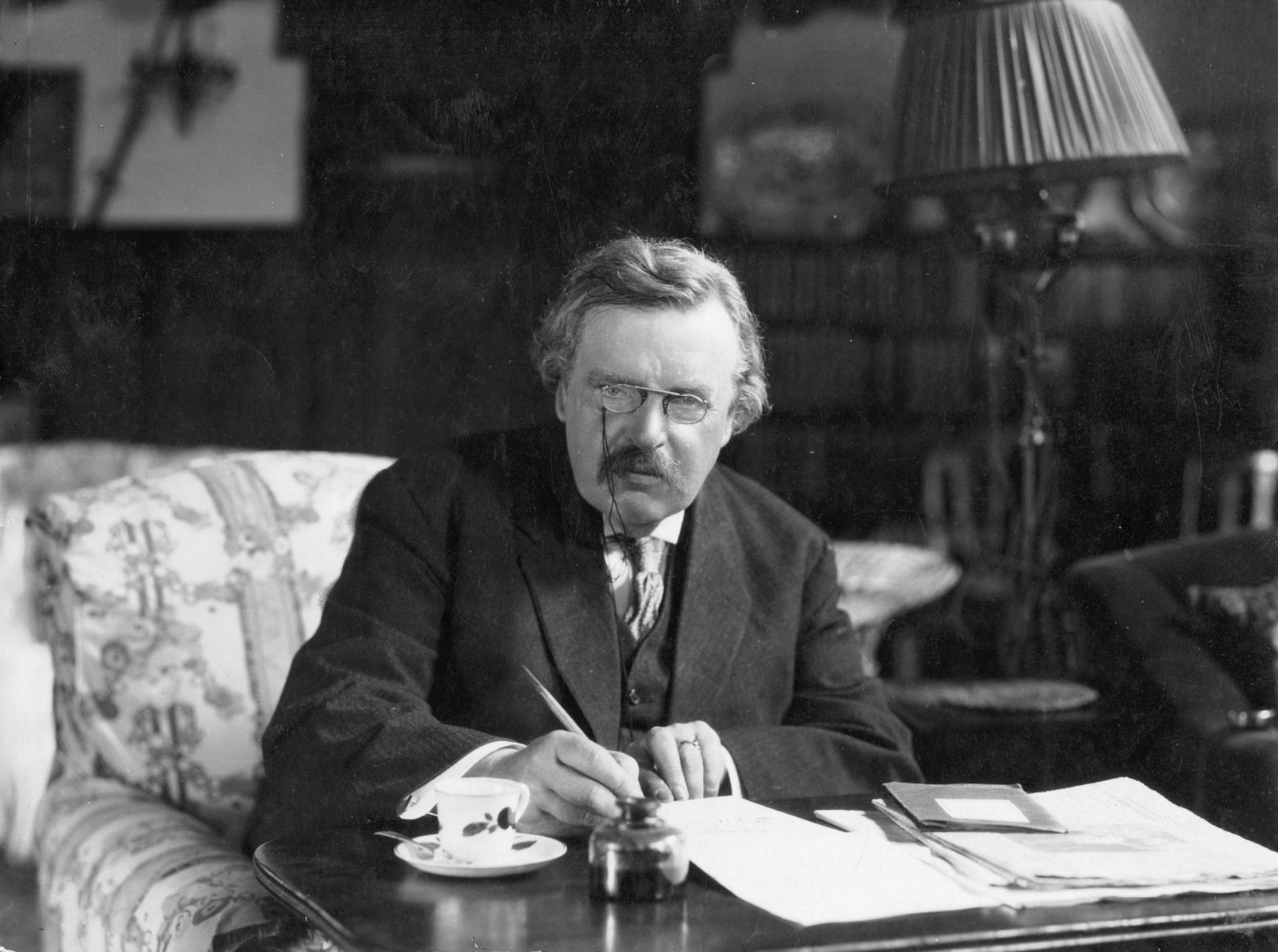
“But there is a way of despising the dandelion which is not that of the dreary pessimist, but of the more offensive optimist. It can be done in various ways; one of which is saying, "You can get much better dandelions at Selfridge's," or "You can get much cheaper dandelions at Woolworth's." Another way is to observe with a casual drawl, "Of course nobody but Gamboli in Vienna really understands dandelions," or saying that nobody would put up with the old-fashioned dandelion since the super-dandelion has been grown in the Frankfurt Palm Garden; or merely sneering at the stinginess of providing dandelions, when all the best hostesses give you an orchid for your buttonhole and a bouquet of rare exotics to take away with you. These are all methods of undervaluing the thing by comparison; for it is not familiarity but comparison that breeds contempt. And all such captious comparisons are ultimately based on the strange and staggering heresy that a human being has a right to dandelions; that in some extraordinary fashion we can demand the very pick of all the dandelions in the garden of Paradise; that we owe no thanks for them at all and need feel no wonder at them at all; and above all no wonder at being thought worthy to receive them. Instead of saying, like the old religious poet, "What is man that Thou carest for him, or the son of man that Thou regardest him?" we are to say like the discontented cabman, "What's this?" or like the bad-tempered Major in the club, "Is this a chop fit for a gentleman?" Now I not only dislike this attitude quite as much as the Swinburnian pessimistic attitude, but I think it comes to very much the same thing; to the actual loss of appetite for the chop or the dish of dandelion-tea. And the name of it is Presumption and the name of its twin brother is Despair. This is the principle I was maintaining when I seemed an optimist to Mr. Max Beerbohm; and this is the principle I am still maintaining when I should undoubtedly seem a pessimist to Mr. Gordon Selfridge. The aim of life is appreciation; there is no sense in not appreciating things; and there is no sense in having more of them if you have less appreciation of them.”
“Happiness is a state of the soul; a state in which our natures are full of the wine of an ancient youth, in which banquets last for ever, and roads lead everywhere, where all things are under the exuberant leadership of faith, hope, and charity.”
topics: happiness

“Vronsky saw nothing and no one. He felt himself as a king, not because she had made an impression on Anna-he did not yet believe that-but because the impression she had made on him gave him happiness and pride.”
“Good Lord, only a moment of bliss? Isn't such a moment sufficient for the whole of a man's life?”
“And therefore the idea of serving mankind, of the brotherhood and oneness of people, is fading more and more in the world, and indeed the idea now even meets with mockery, for how can one drop one's habits, where will this slave go now that he is so accustomed to satisfying the innumerable needs he himself has invented? He is isolated, and what does he care about the whole? They have succeeded in amassing more and more things, but have less and less joy.”
“Day after day I postponed living in you, but I never put off the death which I died each day in myself. I longed for a life of happiness but I was frightened to approach it in its own domain; and yet, while I fled from it, I still searched for it.”
― Augustine ,
from Confessions
“Man only likes counting his grief, he doesn't count his happiness. But if he were to count properly, he'd see that there's enough of both lots for him.”
“I think the motive force of all our action is, after all, personal happiness.”
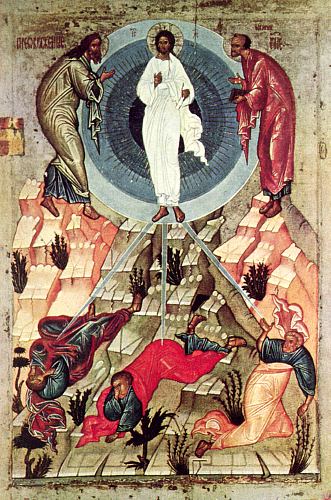
“Our happiness consists in sharing the happiness of God, the perfection of His unlimited freedom, the perfection of His love.”
― Thomas Merton ,

“It's not how much we have, but how much we enjoy, that makes happiness.”
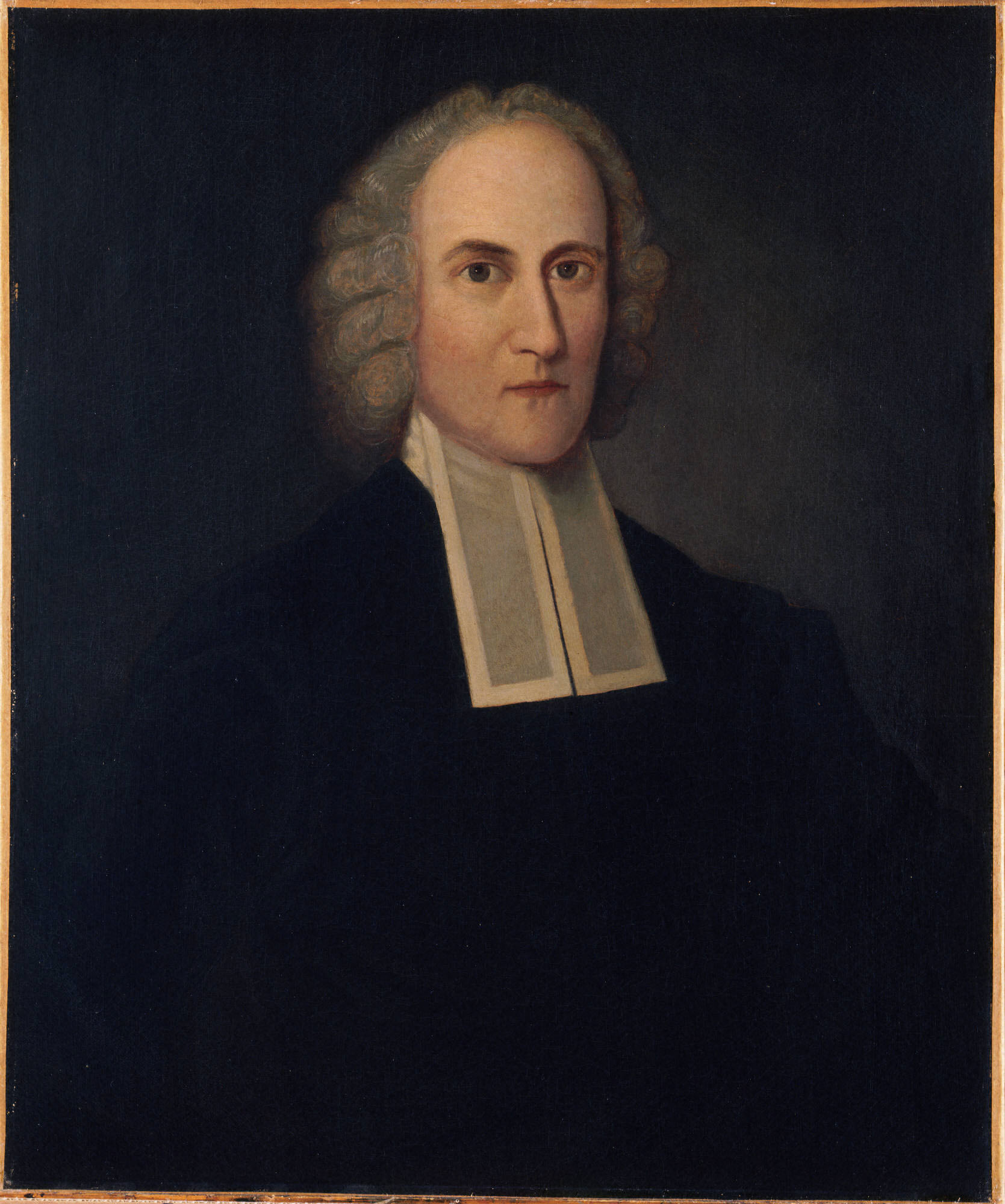
“Resolved, to endeavor to obtain for myself as much happiness in the other world as I possibly can, with all the power, might, vigor, and vehemence, yea violence, I am capable of.”

“I have often said the soul cause of man’s unhappiness is that he does not know how to stay quietly in a room. (Page 32)”
― Blaise Pascal ,
from Human Happiness
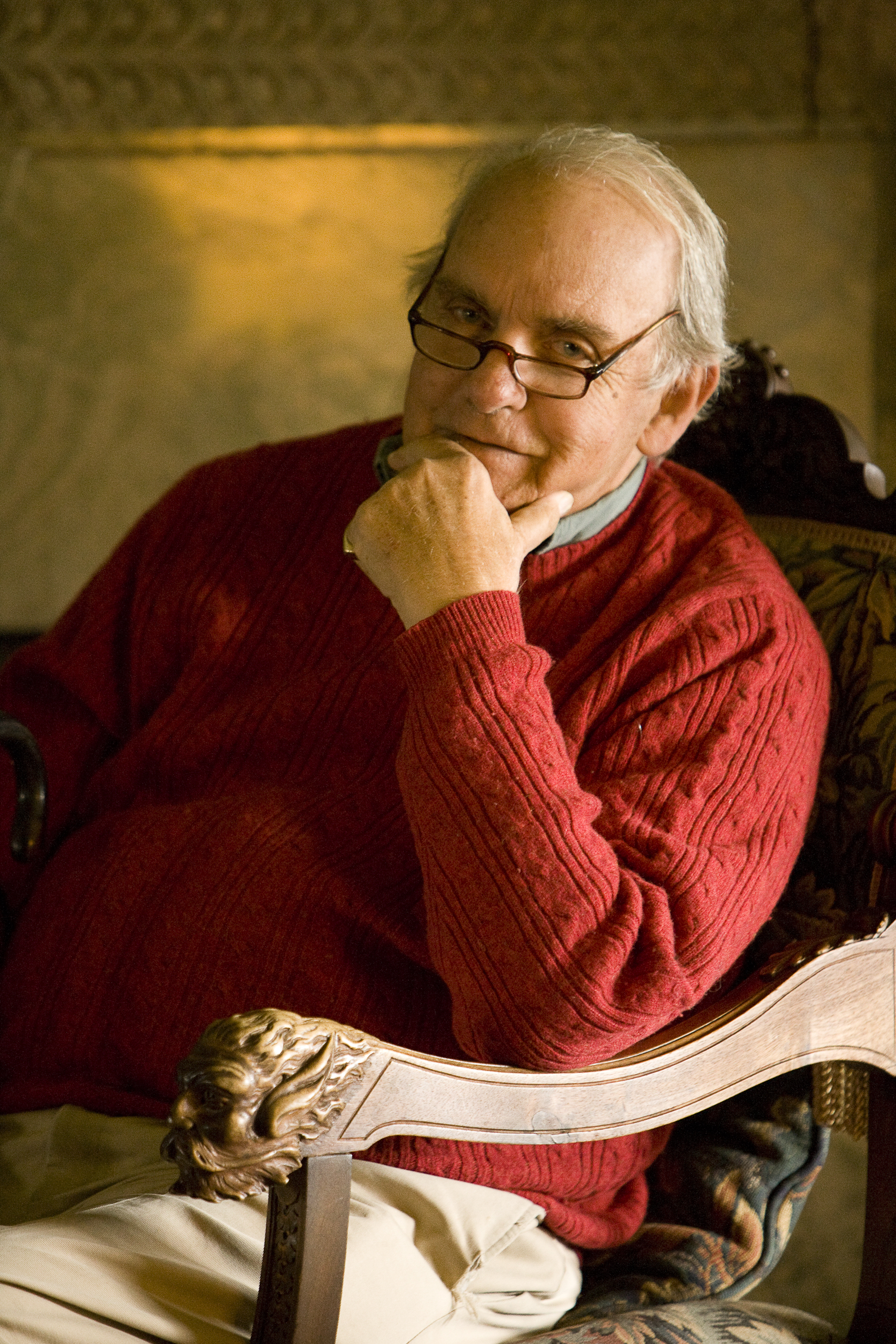
“a rule that I had no less devastatingly laid down for myself, and it was this: that I had no right to be happy unless the people I loved - especially my children - were happy too. I have come to believe that is not true. I believe instead that we all of us have not only the right to be happy no matter what but also a kind of sacred commission to be happy - in the sense of being free to breathe and move, in the sense of being able to bless our own lives, even the sad times of our own lives, because through all our times we can learn and grow, and through all our times, if we keep our ears open, God speaks to us his saving word. Then by drawing on all those times we have had, we can sometimes even speak and live a saving word to the saving of others.”
― Frederick Buechner ,
from Telling Secrets
“Listen! I know it's not right to talk. Better to set an example, better to just start - I have already started - and - and can one really be unhappy? Oh, what do my grief and my misfortune matter if I have the strength to be happy? You know, I don't understand how one can walk by a tree and not be happy at the sight of it! Or to speak with a man and not be happy in loving him? Oh, it's just that I can't express it - and yet there are so many things at every stop so beautiful that even the most desolate of men find them beautiful. Look at a child, look at Go's sunrise, look at the grass, how it grows, look into eyes that look at you and love you -”
― Fyodor Dostoevsky ,
from The Idiot
“Toate familiile fericite se aseamănă între ele. Fiecare familie nefericită este nefericită în felul ei.”

“If, then, the final happiness of man does not consist in those exterior advantages which are called goods of fortune, nor in goods of the body, nor in goods of the soul in its sentient part, nor in the virtues of practical intellect, called art and prudence, it remains that the final happiness of man consists in the contemplation of truth.”



Group of Brands


















© 2026 Bibleportal.com All rights reserved.