
Inspirational Quotes on Sanctification


“The real difference in the believer who follows Christ and has mortified his will and died after the old man in Christ, is that he is more clearly aware than other men of the rebelliousness and perennial pride of the flesh, he is conscious of his sloth and self-indulgence and knows that his arrogance must be eradicated. Hence there is a need for daily self-discipline.”
topics: pride , regeneration , sanctification , self-discipline , self-indulgence , sin , sloth , the-flesh

“Long looking with admiration produces change. From your heroes you pick up mannerisms and phrases and tones of voice and facial expressions and habits and demeanors and convictions and beliefs. The more admirable the hero is and the more intense your admiration is, the more profound will be your transformation. In the case of Jesus, he is infinitely admirable, and our admiration rises to the most absolute worship. Therefore, when we behold him as we should, the change is profound.”

“Progressive sanctification is not a partnership with the Spirit in the sense that we each - the believer and the Holy Spirit - do our respective tasks. Rather, we work as He enables us to work. His work lies behind all our work and makes our work possible.”
topics: sanctification
“You’re not likely to err by practicing too much of the cross.”

“With the veil removed by the rending of Jesus' flesh, with nothing on God's side to prevent us from entering, why do we tarry without? Why do we consent to abide all our days just outside the Holy of Holies and never enter at all to look upon God? We hear the Bridegroom say, `Let me see thy countenance, let me hear thy voice; for sweet is thy voice and thy countenance is comely.' (Song of Sol 2:14) We sense that the call is for us, but still we fail to draw near, and the years pass and we grow old and tired in the outer courts of the tabernacle. What doth hinder us? The answer usually given, simply that we are `cold,' will not explain all the facts. There is something more serious than coldness of heart, something that may be back of that coldness and be the cause of its existence. What is it? What but the presence of a veil in out hearts? A veil not taken away as the first veil was, but which remains there still shutting out the light and hiding the face of God from us. It is the veil of our fleshly fallen nature living on, unjudged within us, uncrucified and unrepudiated. It is the close- woven veil of the self-life which we have never truly acknowledged, of which we have been secretly ashamed, and which for these reasons we have never brought to the judgment of the cross. It is not too mysterious, this opaque veil, nor is it hard to identify. We have but to look in our own hearts and we shall see it there, sewn and patched and repaired it may be, but there nevertheless, an enemy to our lives and an effective block to our spiritual progress. This veil is not a beautiful thing and it is not a thing about which we commonly care to talk, but I am addressing the thirsting souls who are determined to follow God, and I know they will not turn back because the way leads temporarily through the blackened hills. The urge of God within them will assure their continuing the pursuit. They will face the facts however unpleasant and endure the cross for the joy set before them. So I am bold to mane the threads out of which this inner veil is woven. It is woven of the fine threads of the self-life, the hyphenated sins of the human spirit. They are not something we do, they are something we are, and therein lies both their subtlety and their power.”

“a sense of the love of Christ in the cross; lie at the bottom of all true spiritual mortification”
― John Owen ,
from Mortification of Sin
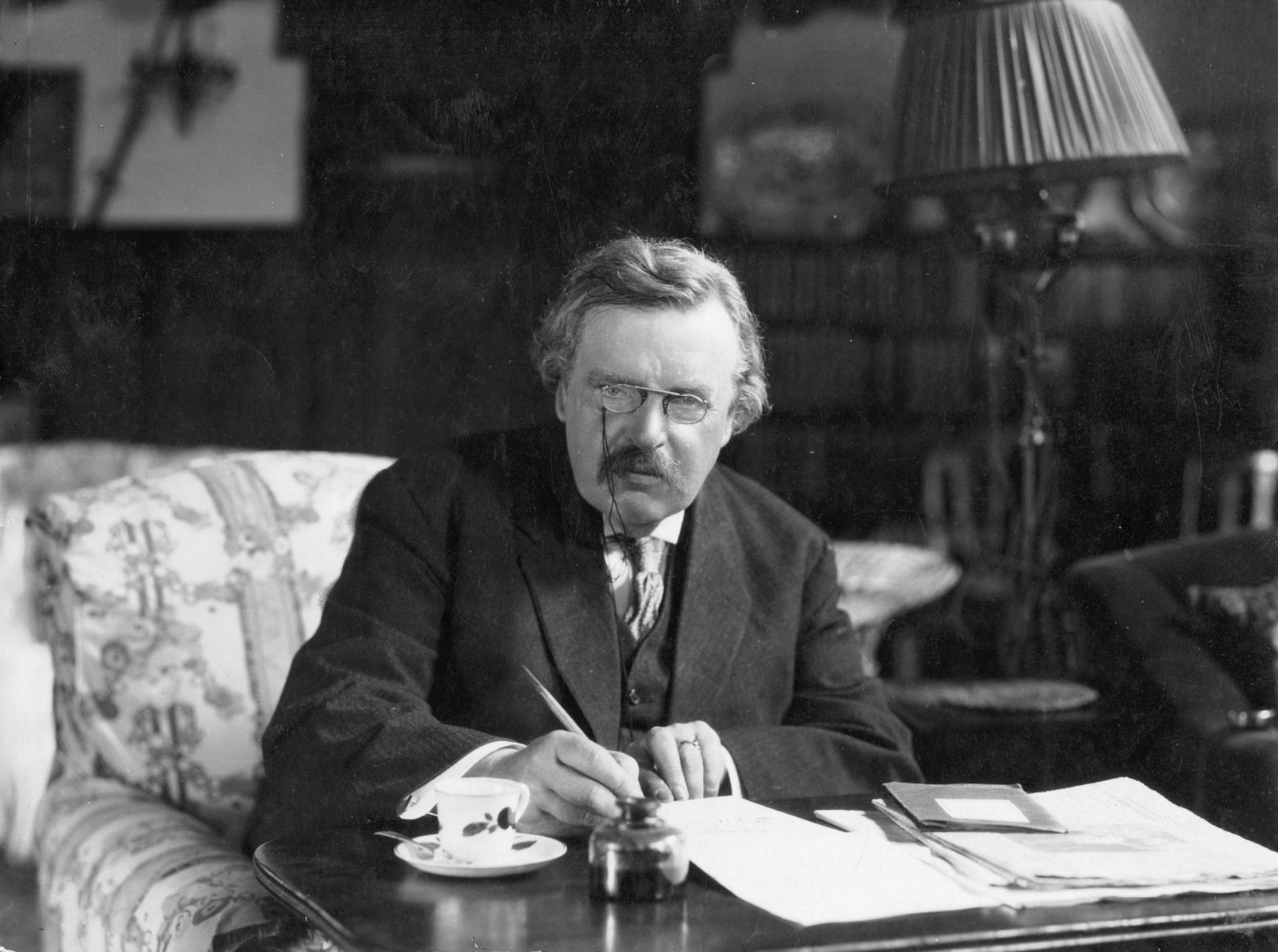
“The author challenges how much sanctity has to do with sameness, as he says saints are as different from each other as those in any group -- even murderers.”
― G.K. Chesterton ,
from Saint Thomas Aquinas

“Indeed is it not the case that in this matter of sanctification our tendency is always to start with ourselves, instead of starting with God? I have got this sin that is worrying me and always getting me down, this sin that defeats me, and my tendency is to say, 'What can be done about this sin, this problem of mine. How can I get rid of this thing? How can I get peace?' I start with myself and my problem, and as certainly as I do that when I am considering this doctrine of sanctification, I am sure, in some shape or form, to end by regarding God as merely an agency who is there to help me solve my problems. And this is a totally unscriptural approach to the almighty ever blessed God.”

“We may be content to remain what we call 'ordinary people': but He is determined to carry out a quite different plan. To shrink back from that plan is not humility; it is laziness and cowardice. To submit to it is not conceit or megalomania; it is obedience.”
“Normal Christian life is a process of restoration and renewal. Our joy is not static. It fluctuates with real life. It is vulnerable to satan's attacks.”

“Let the Kingdom be always before you, and believe with certainty and consistency the things that are yet unseen. Let nothing that is on this side of eternal life get inside you.”

“The author tells a story wherein a missionary friend of his was invited by unbelievers on a train ride to play cards. The friend declined, saying that he did not bring his hands with him. He explained to the astonished group that the hands attached to what they saw as his body belonged to the Lord, and he was thereby able to explain the Gospel.”
― Watchman Nee ,
“For true conversion doth not consist in putting away great and outward sins only, but in descending deeply into your own self, searching into the inmost recesses of the heart, the secrets and closets, all the windings and turnings thereof; changing and renewing them throughout, with the grace that is given you: and so, by faith, you are converted from self-love to Divine love; from the world and all worldly concupiscences, to a spiritual and heavenly life; and from a participation of the pomps and pleasures thereof, to participating the merits and virtues of Christ, by believing his word, and walking in his steps.”
“The moment we begin to feel satisfied that we are making some progress along the road of sanctification, it is all the more necessary to repent and confess that all our righteousnesses are as filthy rags. Yet the Christian life is not one of gloom, but of ever increasing joy in the Lord. God alone knows our good works; all we know is His good work.”
“Never do anything which you know perfectly well is going to be the means of temptation to you. If you know that certain things, which may not be bad in and of themselves, generally get you down and you are a worse person afterwards than you were before, do not do them; never, as it were, provide yourself with the occasion to sin.”

“When I am tempted and feel the power of sin and its tug on my affections, the gospel gives me something to say: 'Christ bled and died for this sin—I will therefore have nothing to do with it. I am now united to Christ by the indwelling of the Spirit—how can I drag him into my sin?”

“Celebration comes when the common features of life are redeemed.”
“If you are going to resist the desires of the flesh (negative), you will need to live in the power of the Holy Spirit and walk according to his disciplines (positive).”
topics: sanctification

“Antinomianism and legalism conspire in forcing us to make a false choice: Is salvation a matter of God's forgiveness or is it moral transformation? This is a trick question from the Reformers' point of view. Calvin reasons, "Surely those things which are connected do not destroy one another!" Forensic justification through faith alone is not the enemy but the basis of sanctification.”
“Monastic spirituality concentrated on private disciplines, as if detaching oneself from "the world" (i.e. society) might make one holier. Anabaptist piety was similar in that regard. However, Calvin thought of sanctification as a family affair. How could one learn loving humility, patience, wisdom, and forgiveness in isolation from others?”



Group of Brands


















© 2026 Bibleportal.com All rights reserved.