
Inspirational Quotes on Truth


“But my sin was this, that I looked for pleasure, beauty, and truth not in Him but in myself and His other creatures, and the search led me instead to pain, confusion, and error.”
― Augustine ,
from Confessions

“The result is an allusive and partly symbolic kind of language able to communicate not merely single happenings but the universal truth behind them...These greater poets also reach back across time, and represent a view of the world which belongs not to one man or one generation of men but to the men of many succeeding generations or even a whole civilisation. (In his introduction to Virgil's Aenied)”
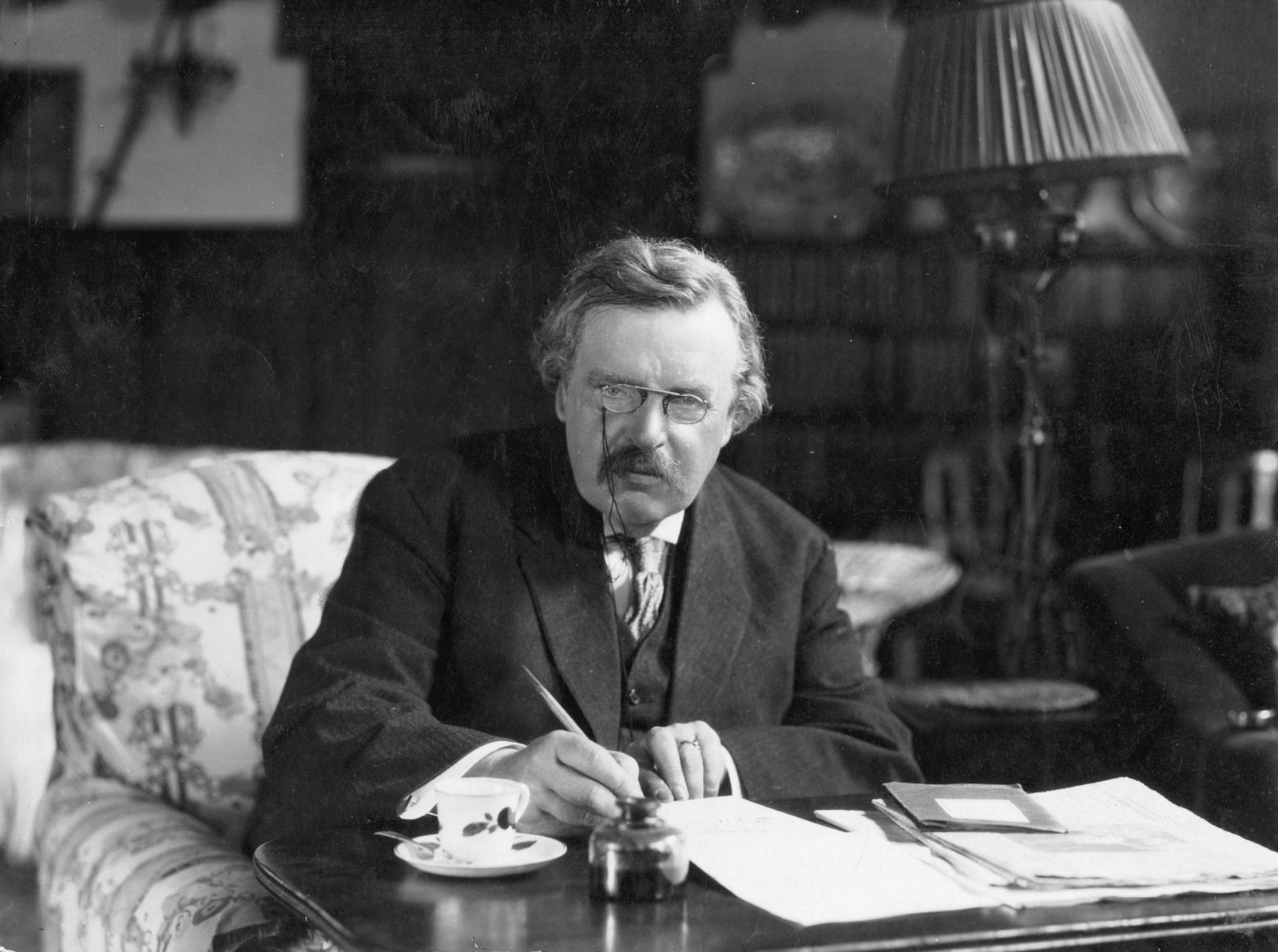
“Joan of Arc was not stuck at the cross-roads, either by rejecting all the paths like Tolstoy or by accepting them all like Nietzsche. She chose a path, and went down it like a thunderbolt.”
― G.K. Chesterton ,
from Orthodoxy

“The idea that human beings should exercise their vocal organs for any purpose except that of communicating or discovering truth was to him preposterous.”
topics: truth
“Ye cannot know eternal reality by a definition.”
― C.S. Lewis ,
from The Great Divorce
“If anyone would like to acquire humility, I can, I think, tell him the first step. The first step is to realise that one is proud. And a biggish step, too. At least, nothing whatever can be done before it. If you think you are not conceited, it means you are very conceited indeed.”

“The New Testament writers, even while writing the texts on love and forbearance that we are trying to understand and obey, condemn false prophets, expel the man who is sleeping with his step-mother, declare that it would be better for Judas Iscariot if he had not been born, assure readers that the evil of Alexander the metal-worker will be required of him, and solemnly warn of eternal judgement to come. Sometimes, of course, churches with right-wing passions use these same texts to bully their members unto unflagging submission to the local dictator. The threat of church discipline can degenerate into a form of manipulation, of spiritual abuse. Where, then, is the line to be drawn? To a postmodern relativist, any form of confessional discipline will seem nothing more than intolerant, manipulative abuse. From a Christian perspective, what lines must be drawn and why? How does Christian love work itself out in such cases? (p. 149).”
― D.A. Carson ,
from Love in Hard Places

“We do well to be reminded that the devil hates a praying leader and a praying church. When we begin to pray, we pick a fight with the devil at a whole new level. Yet, our calling is to be praying menaces to the enemy.”

“Knowledge is power. The real test of knowledge is not whether it is true but whether it empowers us. Scientists usually assume that no theory is 100% correct. Truth, consequently, is a poor test for knowledge. The real test is utility. A theory that enables us to do new things constitutes knowledge.”
― Francis Bacon ,

“For I have seen the truth; I have seen and I know that people can be beautiful and happy without losing the power of living on earth. I will not and cannot believe that evil is the normal condition of mankind. And it is just this faith of mine that they laugh at.”
“Though these young men unhappily fail to understand that the sacrifice of life is, in many cases, the easiest of all sacrifices, and that to sacrifice, for instance, five or six years of their seething youth to hard and tedious study, if only to multiply tenfold their power of serving the truth and the cause they have set before them as their goal, such a sacrifice is utterly beyond the strength of many of them.”
“To begin with, he was struck by the idea that the comprehension of divine truths is not given to man as an individual but to the totality of men united by love--the church. He was particularly pleased by the thought that it was much easier to believe in an existing, living church embracing all the beliefs of men and having God as its head and, therefore, holy and infallible, and from it to accept belief in God, the creation, the fall and redemption, than to begin with some distant mysterious God, the creation, etc. But on reading afterward the history of the church by a Catholic writer and another by a Greek Orthodox writer and seeing that the two churches, both in their essence infallible, each repudiated the other, he became disappointed also in Khomyakov's doctrine of the church, and that edifice, too, crumbled into dust as the philosophers' edifices had done.”
“There’s a disadvantage in a stick pointing straight,” answered the other. “What is it? Why, the other end of the stick always points the opposite way. It depends whether you get hold of the stick by the right end.”

“He was so disrespectful that it was believed that he spoke truth. ("The Undying Thing")”

“The one most valuable lesson humanity ought to have learned from philosophy is that it is impossible to make sense of truth without acknowledging God as the necessary starting point.”
topics: truth
“Honesty is a moral virtue, a matter of the will. Honesty means willing the truth with the whole of your heart. This demands sacrifice. We have little hope of attaining honesty unless we realize how demanding it is. It demands sacrifice of self-will, self-image, the desire to win, and the comfort of being right. The “honesty” often praised today is usually only emotional honesty with others, not intellectual honesty with one’s self; only “letting it all hang out,” not asking what is the real truth. Sometimes “honesty” is only a code word for shamelessness. Rarely does it mean the absolute, fanatical, selfless love of truth.”
“The service [Jesus] gave to humanity was given even when we least merited that sacrifice. There is a joy in service that transcends emotional temporariness.”

“Truth is exclusive of non-truth; there is no way around that.”

“Hell, hell fire, the damnation of hell, eternal damnation, the resurrection of the damnation, everlasting fire, the place of torment, destruction, outer darkness, the worm that never dies, the fire that is not quenched, the place of weeping, wailing and gnashing of teeth, everlasting punishment... these are the words which the Lord Jesus Christ Himself employs. Away with the miserable nonsense which people talk in this day who tell us that the ministers of the gospel should never speak of hell.”



Grupo de Marcas


















© 2026 Bibleportal.com Todos os direitos reservados.