Charles G. Finney - (1792-1875), American revivalist preacher and educator
Finney was born in Litchfield county, Conn., on Aug. 27, 1792. He studied law from 1818 to 1821, when he had a sudden conversion experience. After this he began to preach and was licensed to preach by the Presbyterian denomination in 1824. Wherever he traveled he started extensive religious revivals.
Finney was criticized because he emphasized the will of man in the process of regeneration and employed revival techniques that became known as "New Measures", calculated to evoke a highly emotional response. Impatient with Presbyterianism, he became a Congregationalist, serving New York City's Broadway Tabernacle.
Finney was appointed professor of theology at Oberlin College (1835), minister of the First Congregational Church at Oberlin (1837), and was named president of the college in 1852. His Lectures on Revivals (1835) became a handbook for American revivalists, and his Lectures on Theology (1846) indicate the modifying influence of evangelicalism on American Calvinism. Finney died at Oberlin on Aug. 16, 1875.

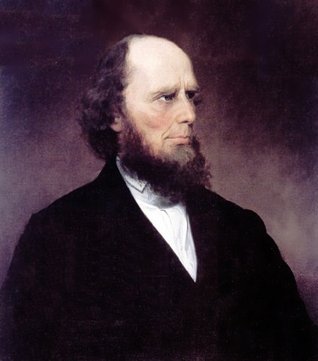





















Charles Grandison Finney was a Presbyterian minister who became an important figure in the Second Great Awakening. His influence during this period was enough that he has been called "The Father of Modern Revivalism".
In addition to becoming a popular Christian evangelist, Finney was involved with the abolitionist movement and frequently denounced slavery from the pulpit.
Finney was known for his innovations in preaching and religious meetings, such as having women pray in public meetings of mixed gender, development of the "anxious seat" (a place where those considering becoming Christians could come to receive prayer), and public censure of individuals by name in sermons and prayers. He was also known for his use of extemporaneous preaching.
No man in his day and generation was more signally blessed of God in winning souls than Charles G. Finney. Thousands and tens of thousands in this and other lands were brought to Christ through his instrumentality. It is hoped that this brief study of his life and labors may stimulate others to renewed effort in seeking to bring men to a saving knowledge of Him who is our Redeemer and Lord.
... Show more