Tradução de 7 Textos de João Calvino, sendo 6 inéditos em português
A proximidade da comemoração dos 500 anos do nascimento do reformador francês João Calvino (2009) tem despertado nas igrejas de tradição reformada em todo o mundo, o desejo de celebrar condignamente a efeméride. Qual a melhor maneira de fazê-lo? Não há dúvida de que poderá ser a oportunidade para se desfazer equívocos e analisar de perto as idéias e a obra do reformador de Genebra, que tem influência reconhecida não apenas na teologia cristã protestante mas também na cultura ocidental.
O presente volume vem ao encontro desta necessidade e poderá favorecer uma redescoberta deste servo de Jesus Cristo, que atuou ardorosamente para que a Palavra de Deus constituísse o centro transformador na vida das pessoas e de uma cidade que deveria espelhar o reino de Deus na terra.
O livro traz textos selecionados que abrangem principalmente os primeiros escritos de Calvino após a conversão, entre vinte e seis e trinta e dois anos (1535-1541) e, em sua maioria, aparecem pela primeira vez em língua portuguesa. Eles foram redigidos para atender a circunstâncias históricas bastante concretas, em estilo simples e claro, representando uma nova linguagem teológica no século XVI. Com objetivos práticos e sensibilidade poética, revelam a alma de seu autor que dá testemunho do impacto do evangelho em sua vida e obra.

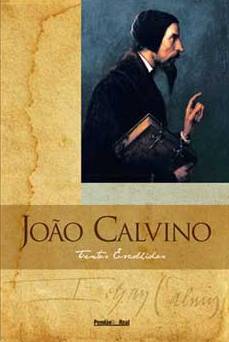





















John Calvin (1509 - 1584)
Was an influential French theologian and pastor during the Protestant Reformation. He was a principal figure in the development of the system of Christian theology later called Calvinism. Originally trained as a humanist lawyer, he broke from the Roman Catholic Church around 1530. After religious tensions provoked a violent uprising against Protestants in France, Calvin fled to Basel, Switzerland, where he published the first edition of his seminal work The Institutes of the Christian Religion in 1536.Calvin's writing and preachings provided the seeds for the branch of theology that bears his name. The Reformed, Congregational, and Presbyterian churches, which look to Calvin as the chief expositor of their beliefs, have spread throughout the world.
John Calvin was an influential French theologian and pastor during the Protestant Reformation. He was a principal figure in the development of the system of Christian theology later called Calvinism. Originally trained as a humanist lawyer, he broke from the Roman Catholic Church around 1530. After religious tensions provoked a violent uprising against Protestants in France, Calvin fled to Basel, Switzerland, where in 1536 he published the first edition of his seminal work Institutes of the Christian Religion.
Calvin's writing and preaching provided the seeds for the branch of theology that bears his name. The Presbyterian and other Reformed churches, which look to Calvin as a chief expositor of their beliefs, have spread throughout the world. Calvin's thought exerted considerable influence over major religious figures and entire religious movements, such as Puritanism, and some have argued that his ideas have contributed to the rise of capitalism, individualism, and representative democracy in the West.
Founder of Calvinism. John Calvin, a French scholar who became a leading preacher and dominant force in the Reformation of the 16th Century, studied at the University of Paris and at the University of Orleans. He became dissatisfied with the teachings of the Roman Catholic Church and allied himself with the cause of the Protestant Reformation in 1532.
When the king of France decided to settle the religious question in his country in favor of the Catholics, Calvin fled to Geneva, Switzerland, where his writings and lectures made Geneva the Rome of Protestantism. His institutes of the Christian religion became the basis for the Presbyterian way of thought and church life. Calvinism is the main doctrine of the Presbyterian and Reformed Churches.
... Show more