
- Bible
- Read the Bible
- Bible Versions
- Verse of the Day
- Reading Plans
- Verses by Topic
- Books of the Bible
- Bible Images
- Study
- Commentaries
- Concordances
- Dictionaries
- Encyclopedias
- Sermons
- Bible Atlas & Maps
- BP Wiki
- Devotionals
- Today's Devotionals
- Light of the World
- All Devotionals
- Inspirational Quotes
- More
- Picture Quotes
- Videos
- Inspirational
- Bible Study
- What The Bible Says
- Bible Q&As
- Daily Bread
- Bible by Genre
- Bible Stories
- Random Bible Verse
- Community
- Store
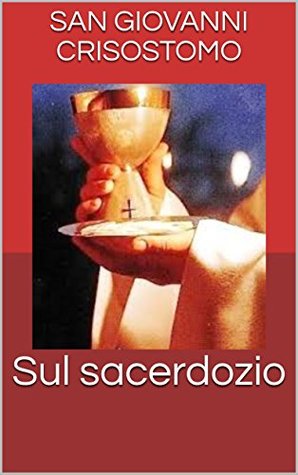
Sul sacerdozio
by John Chrysostom
Giovanni Crisostomo, o Giovanni d'Antiochia (Antiochia, 344/354 – Comana Pontica, 14 settembre 407), è stato un arcivescovo e teologo bizantino. Fu il secondo Patriarca di Costantinopoli. È commemorato come santo dalla Chiesa cattolica e dalla Chiesa ortodossa e venerato dalla Chiesa copta; è uno dei 36 Dottori della Chiesa.
La sua eloquenza, le sue doti retoriche nell'omiletica gli valsero l'epiteto Crisostomo (in greco antico χρυσόστομος, leggesi khrysóstomos), letteralmente «bocca d'oro». Il suo zelo e il suo rigore furono causa di forti opposizioni alla sua persona. Scrisse delle omelie antigiudaiche utilizzate nei secoli come pretesto per le discriminazioni e persecuzioni contro gli ebrei. Dovette subire un esilio e durante un trasferimento morì.
DAL LIBRO: “Se alcuno ben consideri che gran cosa è poter avvicinarsi a quella beata e intatta natura, pur essendo uomo e ancora plasmato di carne e sangue, vedrà allora bene di quanto onore la grazia dello Spirito abbia degnato i sacerdoti. Per loro mezzo infatti queste cose si compiono, ed altre ancora per nulla inferiori a queste, sia per dignità, sia in rapporto con la nostra salvezza; quelli che dimorano in terra e sono posti in questa condizione, vengono ordinati ad amministrare le cose celesti e hanno ricevuto una potestà che Dio non ha conferito né agli angeli né agli arcangeli; poiché non fu detto a questi: "Ogni cosa che legherete sulla terra sarà legata anche nel cielo; e ogni cosa che scioglierete, sarà sciolta" (Mt. 18,18). Anche i dominatori sulla terra hanno il potere di legare, ma soltanto i corpi; invece questo legame si applica all’anima stessa e trascende i cieli; onde, checché i sacerdoti compiano quaggiù, questo conferma Dio in alto, e la deliberazione dei servi viene sancita dal padrone. E che vuol dire ciò, se non che ha loro conferito ogni potestà celeste? Dice infatti: "I peccati di coloro ai quali li rimetterete, saranno rimessi; quelli di coloro a cui li riterrete, saranno ritenuti" (Gv. 2,23). Qual potere maggiore di questo? Il Padre ha dato al Figlio ogni giudizio; or io vedo che essi ne furono fatti dal Figlio pienamente depositari. Come se già fossero assunti nei cieli, trascesa l’umana natura e sciolti dalle nostre miserie, così furono elevati a questa dignità. Inoltre, se un re partecipasse a qualcuno dei suoi sudditi quest’onore di poter gettare in prigione chiunque gli piacesse e nuovamente liberarlo, sarebbe costui invidiato e celebrato da tutti; colui poi che da Dio ha ricevuto una potestà tanto più grande quanto il cielo è più augusto della terra, e le anime dei corpi, parrà mai ad alcuno aver egli ricevuto sì piccolo onore, da poter anche solo pensare che altri abbia a mostrare disprezzo verso i depositari di sì eccelse cose? Lungi tale insania! È per vero insania palese, il guardar dall’alto in basso una dignità senza la quale non è dato di ottenere né la salvezza né i beni che ci furono annunziati.”
La sua eloquenza, le sue doti retoriche nell'omiletica gli valsero l'epiteto Crisostomo (in greco antico χρυσόστομος, leggesi khrysóstomos), letteralmente «bocca d'oro». Il suo zelo e il suo rigore furono causa di forti opposizioni alla sua persona. Scrisse delle omelie antigiudaiche utilizzate nei secoli come pretesto per le discriminazioni e persecuzioni contro gli ebrei. Dovette subire un esilio e durante un trasferimento morì.
DAL LIBRO: “Se alcuno ben consideri che gran cosa è poter avvicinarsi a quella beata e intatta natura, pur essendo uomo e ancora plasmato di carne e sangue, vedrà allora bene di quanto onore la grazia dello Spirito abbia degnato i sacerdoti. Per loro mezzo infatti queste cose si compiono, ed altre ancora per nulla inferiori a queste, sia per dignità, sia in rapporto con la nostra salvezza; quelli che dimorano in terra e sono posti in questa condizione, vengono ordinati ad amministrare le cose celesti e hanno ricevuto una potestà che Dio non ha conferito né agli angeli né agli arcangeli; poiché non fu detto a questi: "Ogni cosa che legherete sulla terra sarà legata anche nel cielo; e ogni cosa che scioglierete, sarà sciolta" (Mt. 18,18). Anche i dominatori sulla terra hanno il potere di legare, ma soltanto i corpi; invece questo legame si applica all’anima stessa e trascende i cieli; onde, checché i sacerdoti compiano quaggiù, questo conferma Dio in alto, e la deliberazione dei servi viene sancita dal padrone. E che vuol dire ciò, se non che ha loro conferito ogni potestà celeste? Dice infatti: "I peccati di coloro ai quali li rimetterete, saranno rimessi; quelli di coloro a cui li riterrete, saranno ritenuti" (Gv. 2,23). Qual potere maggiore di questo? Il Padre ha dato al Figlio ogni giudizio; or io vedo che essi ne furono fatti dal Figlio pienamente depositari. Come se già fossero assunti nei cieli, trascesa l’umana natura e sciolti dalle nostre miserie, così furono elevati a questa dignità. Inoltre, se un re partecipasse a qualcuno dei suoi sudditi quest’onore di poter gettare in prigione chiunque gli piacesse e nuovamente liberarlo, sarebbe costui invidiato e celebrato da tutti; colui poi che da Dio ha ricevuto una potestà tanto più grande quanto il cielo è più augusto della terra, e le anime dei corpi, parrà mai ad alcuno aver egli ricevuto sì piccolo onore, da poter anche solo pensare che altri abbia a mostrare disprezzo verso i depositari di sì eccelse cose? Lungi tale insania! È per vero insania palese, il guardar dall’alto in basso una dignità senza la quale non è dato di ottenere né la salvezza né i beni che ci furono annunziati.”
BUY NOW
Kindle Edition, 108 pages
Published August 10th 2017
Subscribe
Get Bible verse every day in your inbox
Read on Mobile



Group of Brands


















© 2026 Bibleportal.com All rights reserved.
John Chrysostom (349 - 407)
Read freely text sermons and articles by the speaker John Chrysostom in text and pdf format Archbishop of Constantinople, was an important Early Church Father. He is known for his preaching and public speaking, his denunciation of abuse of authority by both ecclesiastical and political leaders, the Divine Liturgy of St. John Chrysostom, and his ascetic sensibilities. The epithet Χρυσόστομος (Chrysostomos, anglicized as Chrysostom) means "golden-mouthed" in Greek and given for his celebrated eloquence.The Eastern Orthodox and Byzantine Catholic churches honor him as a saint and count him among the Three Holy Hierarchs, together with Basil the Great and Gregory Nazianzus. He is recognized by the Eastern Orthodox Church and the Catholic Church as a saint and as a Doctor of the Church. Churches of the Western tradition, including the Roman Catholic Church, some Anglican provinces, and some Lutheran churches, commemorate him on 13 September. Some other Lutheran churches and Anglican provinces commemorate him on the traditional Eastern feast day of 27 January. Chrysostom's extant homiletical works are vast, including many hundreds of exegetical homilies on both the New Testament (especially the works of Saint Paul) and the Old Testament (particularly on Genesis). Among his extant exegetical works are sixty-seven homilies on Genesis, fifty-nine on the Psalms, ninety on the Gospel of Matthew, eighty-eight on the Gospel of John, and fifty-five on the Acts of the Apostles.
John Chrysostom, Archbishop of Constantinople, was an important Early Church Father. He is known for his eloquence in preaching and public speaking, and his denunciation of abuse of authority by both ecclesiastical and political leaders.
Chrysostom is known in Christianity chiefly as a preacher, theologian and liturgist, particularly in the Eastern Orthodox Church.
During a time when city clergy were subject to criticism for their high lifestyle, John was determined to reform his clergy in Constantinople. These efforts were met with resistance and limited success. He was an excellent preacher. As a theologian, he has been and continues to be very important in Eastern Christianity, and is generally considered the most prominent doctor of the Greek Church, but has been less important to Western Christianity.
His writings have survived to the present day more so than any of the other Greek Fathers. He rejected the contemporary trend for allegory, instead speaking plainly and applying Bible passages and lessons to everyday life.
... Show more