
Quote by Edmund Burke

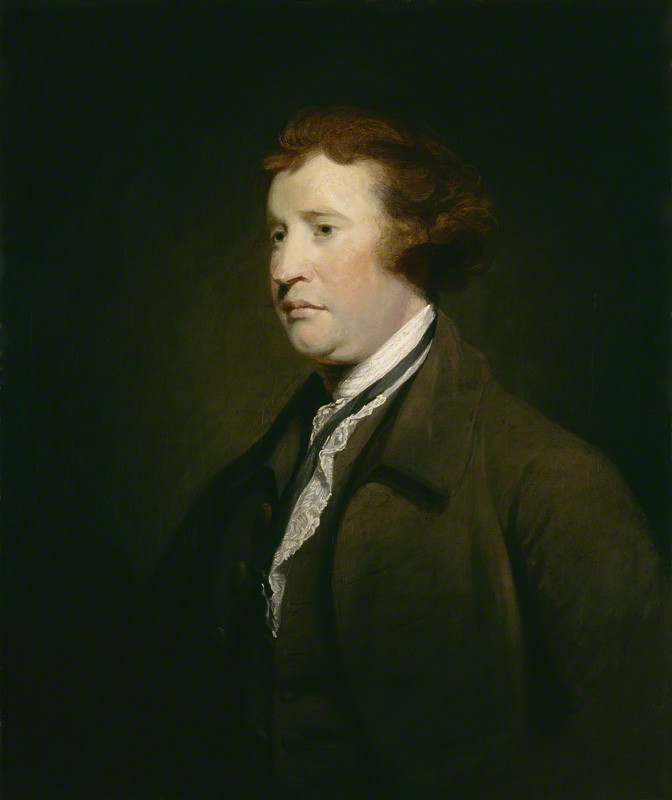
“The mind is hurried out of itself, by a crowd of great and confused images; which affect because they are crowded and confused. For separate them, and you lose much of the greatness; and join them, and you infallibly lose the clearness. [...] But painting, when we have allowed for the pleasure of imitation, can only affect simply by the images it presents; and even in painting, a judicious obscurity in some things contributes to the effect of the picture; because the images in painting are exactly similar to those in nature; and in nature, dark, confused, uncertain images have a greater power on the fancy to form the grander passions, than those have which are more clear and determinate. But where and when this observation may be applied to practice, and how far it shall be extended, will be better deduced from the nature of the subject, and from the occasion, than from any rules that can be given.”
Be the first to react on this!



Group of Brands


















© 2025 Bibleportal.com All rights reserved.
Edmund Burke, was born in Dublin, January 12, educated at a Quaker boarding school and at Trinity College, Dublin. In 1750 he entered the Middle Temple, London, but soon abandoned law for literary work.
The best of Burke's writings and speeches belong to this period, and may be described as a defense of sound constitutional statesmanship against prevailing abuse and misgovernment. In 1788 he opened the trial of Warren Hastings by the speech which will always rank among the masterpieces of English eloquence.
Burke had vast knowledge of political affairs, a glowing imagination, passionate sympathies, and an inexhaustible wealth of powerful and cultured expression. However, his delivery was awkward and speeches which today captivate the reader only served to empty the benches of the House of Commons (some speeches were in excess of eight hours).
One of the foremost political thinkers of 18th century England, Burke died July 9, 1797, and was buried in a little church at Beaconsfield.