
Inspirational Quotes on Books

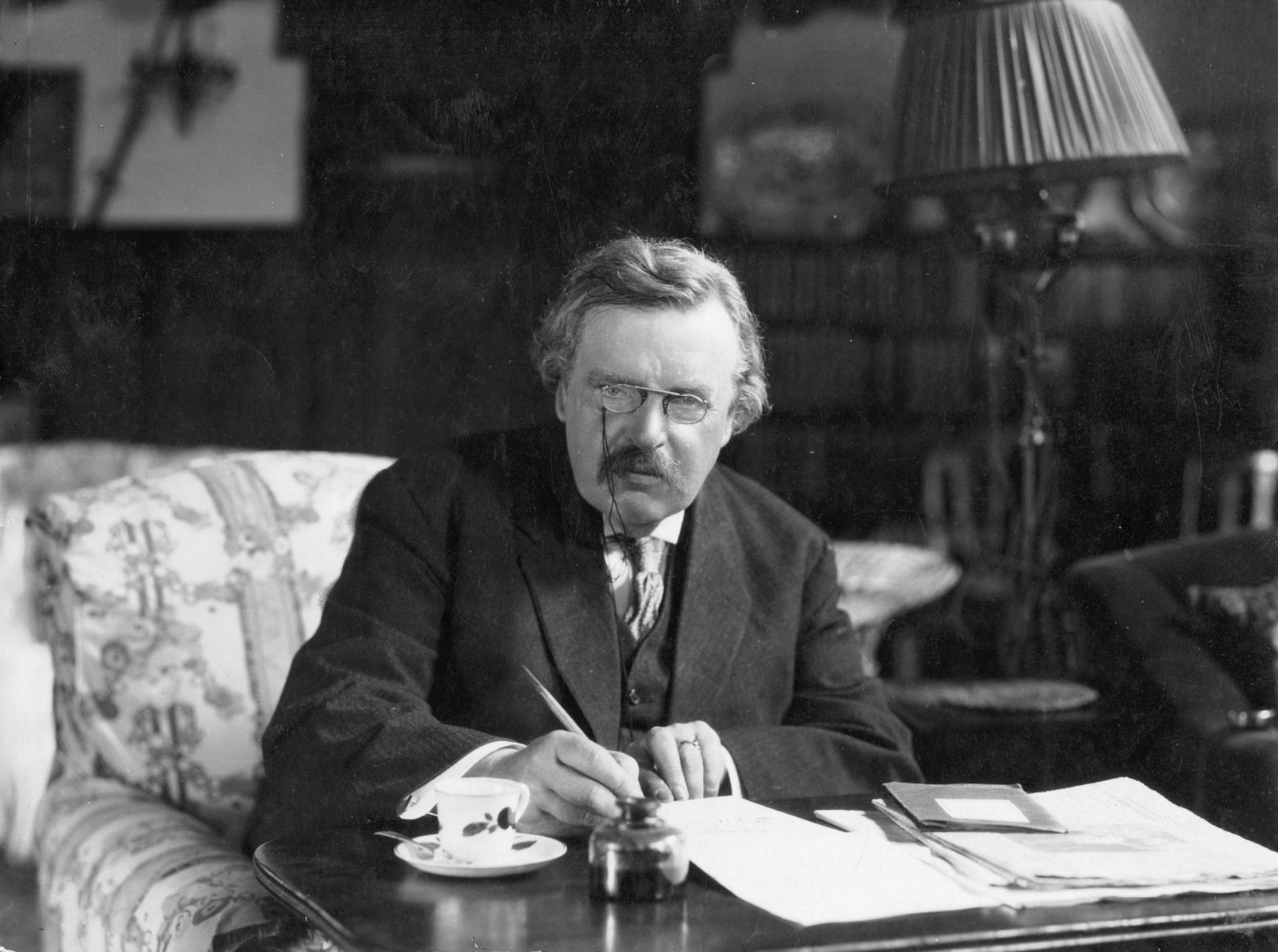
“There are a good many books, are there not, my boy?” said Mr. Brownlow, observing the curiosity with which Oliver surveyed the shelves that reached from the floor to the ceiling. “A great number, sir,” replied Oliver; “I never saw so many.” “You shall read them if you behave well,” said the old gentleman kindly; “and you will like that, better than looking at the outsides, - that is, in some cases, because there are books of which the backs and covers are by far the best parts.”
topics: books

“It is not all books that are as dull as their readers.”

“The more we have known of the really good things, the more insipid the thin lemonade of later literature becomes, sometimes almost to the point of making us sick. Do you know a work of literature written in the last, say, fifteen years that you think has any lasting quality? I don't. It is partly idle chatter, partly propaganda, partly self-pitying sentimentality, but there is no insight, no ideas, no clarity, no substance and almost always the language is bad and constrained. On this subject I am quite consciously a laudator temporis acti.”
topics: books
“It is not all books that are as dull as their readers. There are probably words addressed to our condition exactly, which, if we could really hear and understand, would be more salutary than the morning or the spring to our lives, and possibly put a new aspect on the face of things for us. How many a man has dated a new era in his life from the reading of a book.”

“One thinks of nothing,’ he continued; ‘the hours slip by. Motionless we traverse countries we fancy we see, and your thought, blinding with the fiction, playing with the details, follows the outline of the adventures. It mingles with the characters, and it seems as if it were yourself palpitating beneath their costumes.”
“Mr Pinch accordingly, after turning over the leaves of his book with as much care as if they were living and highly cherished creatures, made his own selection, and began to read.”
“Holiness begins in our minds and works out to our actions. This being true, what we allow to enter our minds is critically important. The television programs we watch, the movies we may attend, the books and magazines we read, the music we listen to, and the conversations we have all affect our minds.”
― Jerry Bridges ,

“There is nothing more wonderful than a book. It may be a message to us from the dead, from human souls we never saw who lived perhaps thousands of miles away, and yet these little sheets of paper speak to us, arouse us, teach us, open our hearts and in turn open their hearts to us like brothers. Without books, God is silent, justice dormant, philosophy lame.”
“The book exists for us perchance which will explain our miracles and reveal new ones. The at present unutterable things we may find somewhere uttered. These same questions that disturb and puzzle and confound us have in their turn occurred to all the wise men; not one has been omitted; and each has answered them, according to his ability, by his words and his life.”
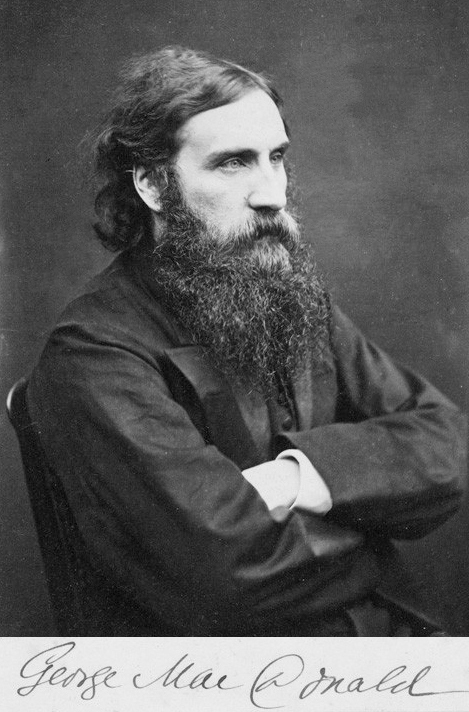
“A library cannot be made all at once, any more than a house or a nation or a tree; they must all take time to grow, and so must a library. I wouldn't even know what books to go and ask for. I dare say, if I were to try, I couldn't at a moment's notice tell you the names of more than two score of books at the outside. Folk must make acquaintance among books as they would among living folk.”
― George MacDonald ,
from The Fisherman's Lady
“...I am still librarian in your house, for I never was dismissed, and never gave up the office. Now I am librarian here as well.' 'But you have just told me you were sexton here!' 'So I am. It is much the same profession. Except you are a true sexton, books are but dead bodies to you, and a library nothing but a catacomb!”
― George MacDonald ,
from Lilith

“Any true definition of preaching must say that that man is there to deliver the message of God, a message from God to those people. If you prefer the language of Paul, he is 'an ambassador for Christ'. That is what he is. He has been sent, he is a commissioned person, and he is standing there as the mouthpiece of God and of Christ to address these people. In other words he is not there merely to talk to them, he is not there to entertain them. He is there - and I want to emphasize this - to do something to those people; he is there to produce results of various kinds, he is there to influence people. He is not merely to influence a part of them; he is not only to influence their minds, not only their emotions, or merely to bring pressure to bear upon their wills and to induce them to some kind of activity. He is there to deal with the whole person; and his preaching is meant to affect the whole person at the very centre of life. Preaching should make such a difference to a man who is listening that he is never the same again. Preaching, in other words, is a transaction between the preacher and the listener. It does something for the soul of man, for the whole of the person, the entire man; it deals with him in a vital and radical manner. I remember a remark made to me a few years back about some studies of mine on “The Sermon on the Mount.” I had deliberately published them in sermonic form. There were many who advised me not to do that on the grounds that people no longer like sermons. The days for sermons, I was told, were past, and I was pressed to turn my sermons into essays and to give them a different form. I was most interested therefore when this man to whom I was talking, and he is a very well-known Christian layman in Britain, said, "I like these studies of yours on “The Sermon on the Mount” because they speak to me.” Then he went on to say, “I have been recommended many books by learned preachers and professors but,” he said, “what I feel about those books is that it always seems to be professors writing to professors; they do not speak to me. But,” he said, “your stuff speaks to me.” Now he was an able man, and a man in a prominent position, but that is how he put it. I think there is a great deal of truth in this. He felt that so much that he had been recommended to read was very learned and very clever and scholarly, but as he put it, it was “professors writing to professors.” This is, I believe, is a most important point for us to bear in mind when we read sermons. I have referred already to the danger of giving the literary style too much prominence. I remember reading an article in a literary journal some five or six years ago which I thought was most illuminating because the writer was making the selfsame point in his own field. His case was that the trouble today is that far too often instead of getting true literature we tend to get “reviewers writing books for reviewers.” These men review one another's books, with the result that when they write, what they have in their mind too often is the reviewer and not the reading public to whom the book should be addressed, at any rate in the first instance. The same thing tends to happen in connection with preaching. This ruins preaching, which should always be a transaction between preacher and listener with something vital and living taking place. It is not the mere imparting of knowledge, there is something much bigger involved. The total person is engaged on both sides; and if we fail to realize this our preaching will be a failure.”

“Life was so short, and books so countlessly many.”

“In order to pronounce a book bad it is not enough to discover that it elicits no good response from ourselves, for that might be our fault.”
― C.S. Lewis ,
“For I need not remind such an audience as this that the neat sorting out of books into age-groups, so dear to publishers, has only a very sketchy relation with the habits of any real readers. Those of us who are blamed when old for reading childish books were blamed when children for reading books too old for us. No reader worth his salt trots along in obedience to a time-table.”
― C.S. Lewis ,
topics: age-groups , books , children , children-s-books , children-s-literature , escapism , fairy-tales-for-adults , fantasy , joy-of-reading , mature-readers , reading , reading-age , reading-books , reading-habits

“More than at any other time, when I hold a beloved book in my hand my limitations fall from me, my spirit is free.”
― Helen Keller ,

“... a book indeed sometimes debauched me from my work....”
topics: books
“To me, re-reading my favorite books is like spending time with my best friends. I’d never be satisfied to limit myself to just one experience each with my favorite people.”

“The monuments of wit and learning are more durable than the monuments of power, or of the hands. For have not the verses of Homer continued twenty-five hundred years, or more, without the loss of a syllable or letter; during which time infinite palaces, temples, castles, cities have been decayed and demolished?”
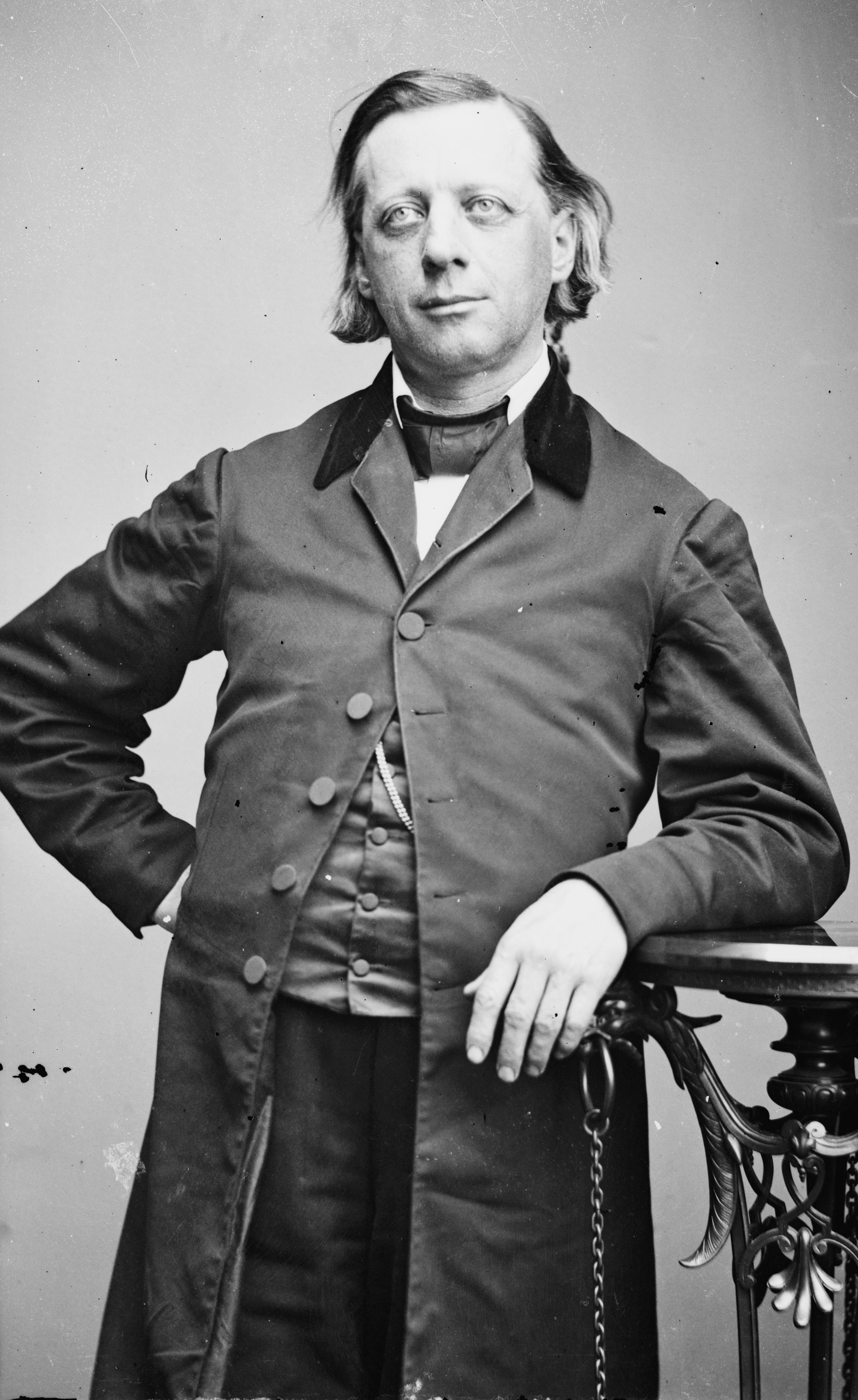
“A book is good company. It is full of conversation without loquacity. It comes to your longing with full instruction, but pursues you never. It is not offended at your absent-mindedness, nor jealous if you turn to other pleasures, of leaf, or dress, or mineral, or even of books. It silently serves the soul without recompense, not even for the hire of love. And yet more noble, it seems to pass from itself, and to enter the memory, and to hover in a silvery transfiguration there, until the outward book is but a body, and its soul and spirit are flown to you, and possess your memory like a spirit. And while some books, like steps, are left behind us by the very help which they yield us, and serve only our childhood, or early life, some others go with us in mute fidelity to the end of life, a recreation for fatigue, an instruction for our sober hours, and a solace for our sickness or sorrow. Except the great out-doors, nothing that has no life of its own gives so much life to you.”
topics: books



Group of Brands


















© 2026 Bibleportal.com All rights reserved.