
Quote by George MacDonald

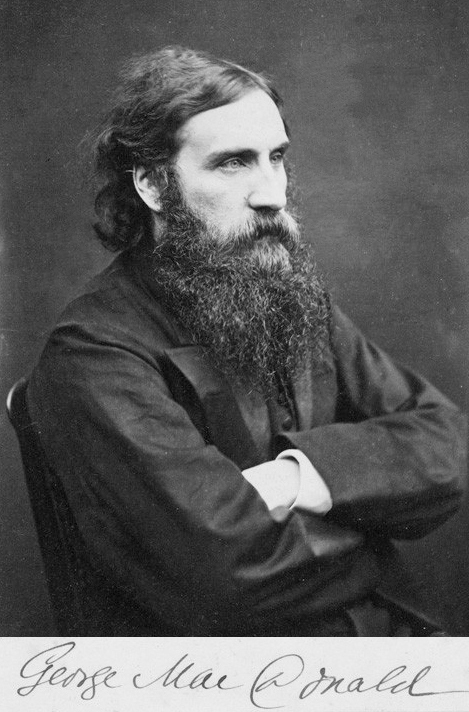
“When I learn the meaning of a word, I know the word; but when I say to myself, 'I know the word,' there comes a reflection of the word back from the mirror of my mind, making a second impression, and after that I am at least not so likely to forget it...“When, then, I think about the impression that the word makes upon me, how it is affecting me with the knowledge of itself, then I am what I should call self-conscious of the word—conscious not only that I know the word, but that I know the phenomena of knowing the word—conscious of what I am as regards my knowing of the word.”
Be the first to react on this!



Grupo de marcas


















© 2026 Bibleportal.com Reservados todos los derechos.
George MacDonald was a Scottish author, poet, and Christian minister.
Known particularly for his poignant fairy tales and fantasy novels, George MacDonald inspired many authors, such as W. H. Auden, J. R. R. Tolkien, C. S. Lewis, E. Nesbit and Madeleine L'Engle. G. K. Chesterton cited The Princess and the Goblin as a book that had "made a difference to my whole existence."
Even Mark Twain, who initially disliked MacDonald, became friends with him, and there is some evidence that Twain was influenced by MacDonald.
MacDonald grew up influenced by his Congregational Church, with an atmosphere of Calvinism. But MacDonald never felt comfortable with some aspects of Calvinist doctrine; indeed, legend has it that when the doctrine of predestination was first explained to him, he burst into tears (although assured that he was one of the elect). Later novels, such as Robert Falconer and Lilith, show a distaste for the idea that God's electing love is limited to some and denied to others.