
Quote by Samuel Rutherford

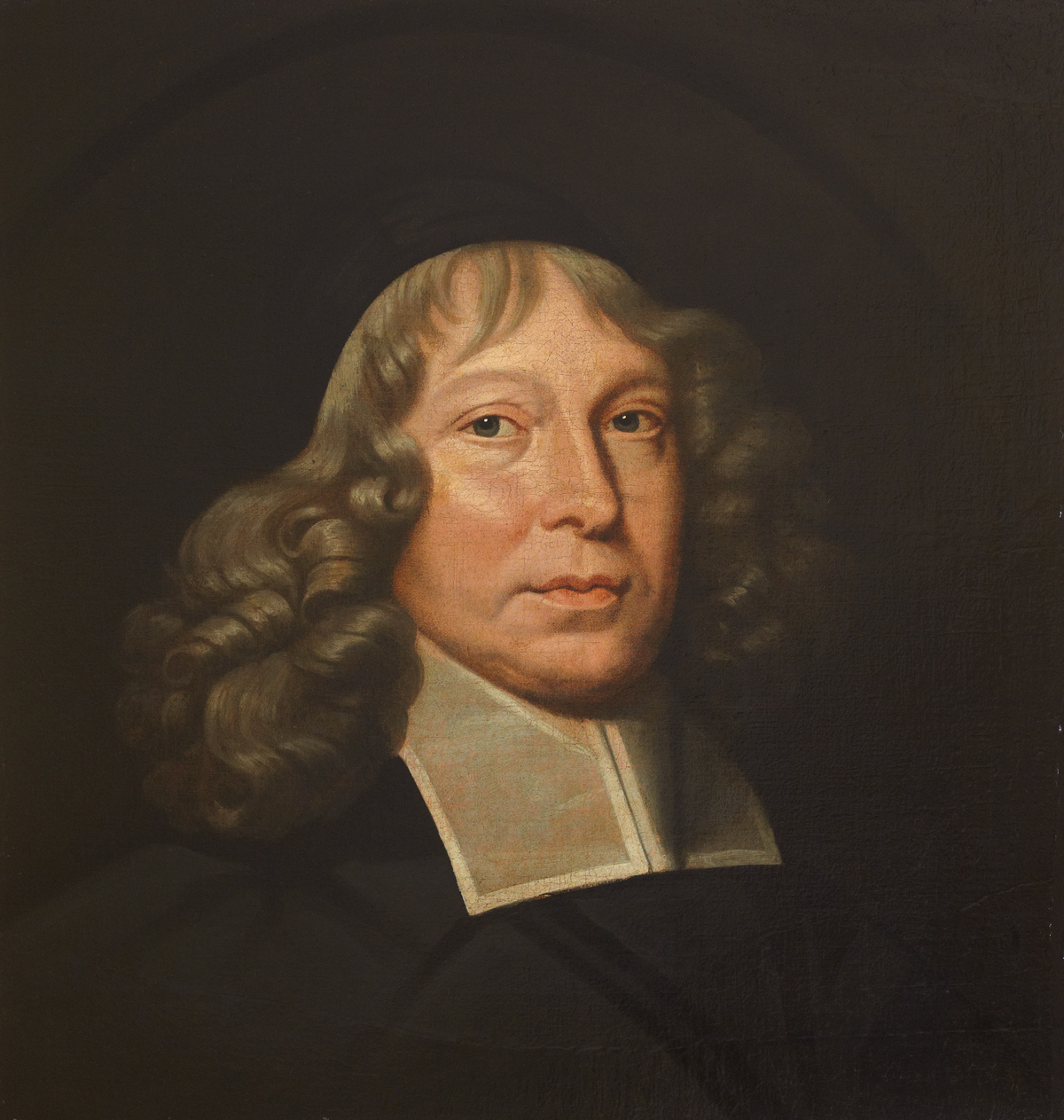
“I find Christ to be Christ, and that He is far, far, even infinite heaven’s height above man. And that is all our happiness. Sinners can do nothing but make wounds that Christ may heal them; and make debts, that He may pay them; and make falls, that He may raise them; and make deaths, that He may quicken them; and spin out and dig hells to themselves, that He may ransom them.”
Be the first to react on this!



Grupo de Marcas


















© 2026 Bibleportal.com Todos os direitos reservados.
Rutherford was also known for his spiritual and devotional works, such as Christ Dying and drawing Sinners to Himself and his Letters. Concerning his Letters, Charles Spurgeon wrote: "When we are dead and gone let the world know that Spurgeon held Rutherford's Letters to be the nearest thing to inspiration which can be found in all the writings of mere men". Published versions of the Letters contain 365 letters and fit well with reading one per day.
Rutherford was a strong supporter of the divine right of Presbytery, the principle that the Bible calls for Presbyterian church government. Among his polemical works are Due Right of Presbyteries (1644), Lex, Rex (1644), and Free Disputation against Pretended Liberty of Conscience.
Samuel Rutherford was a Scottish Presbyterian theologian and author. He was one of the Scottish Commissioners to the Westminster Assembly.
Born in the village of Nisbet, Roxburghshire, Rutherford was educated at Edinburgh University, where he became in 1623 Regent of Humanity (Professor of Latin). In 1627 he was settled as minister of Anwoth in Galloway, from where he was banished to Aberdeen for nonconformity. His patron in Galloway was John Gordon, 1st Viscount of Kenmure. On the re-establishment of Presbytery in 1638 he was made Professor of Divinity at St. Andrews, and in 1651 Rector of St. Mary's College there. At the Restoration he was deprived of all his offices.
Rutherford's political book Lex, Rex (meaning "the law [and] the king" or "the law [is] king") presented a theory of limited government and constitutionalism. It was an explicit refutation of the doctrine of "Rex Lex" or "the king is the law." Rutherford was also known for his spiritual and devotional works, such as Christ Dying and drawing Sinners to Himself and his Letters.