
Quote by Hannah More

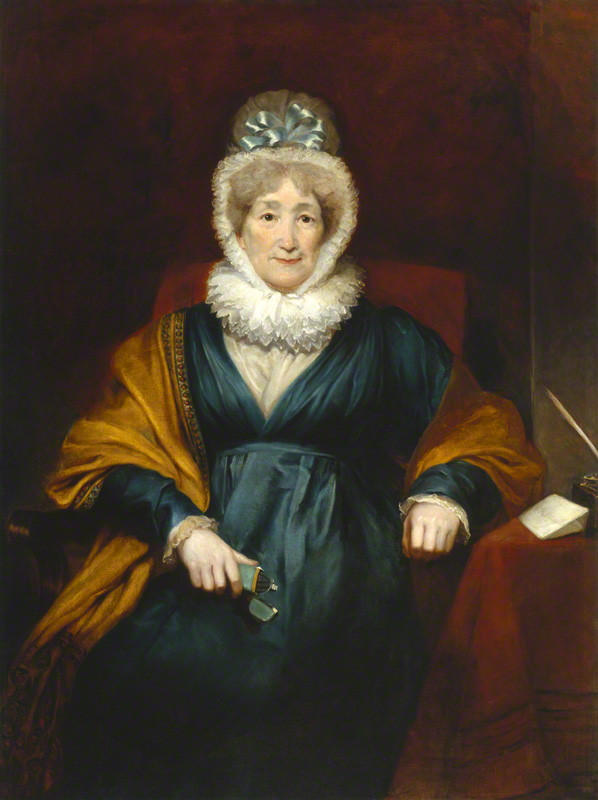
“men and women are not interchangeable. There are things men can and should do that women cannot, and there are things that women can and should do that men cannot. So comparing men and women is something like comparing apples and oranges, except apples and oranges are actually far more like each other than are men and women. Apples and oranges can exist without each other, but men and women cannot.”
Be the first to react on this!



Grupo de Marcas


















© 2025 Bibleportal.com Todos os direitos reservados.
Hannah More was an English religious writer and philanthropist. She can be said to have made three reputations in the course of her long life: as a clever verse-writer and witty talker in the circle of Johnson, Reynolds and Garrick, as a writer on moral and religious subjects on the Puritanic side, and as a practical philanthropist.
She was instrumental in setting up twelve schools by 1800 where reading, the Bible and the catechism - but not writing - were taught to local children. The More sisters met with a good deal of opposition in their works: the farmers thought that education, even to the limited extent of learning to read, would be fatal to agriculture, and the clergy, whose neglect she was making good, accused her of Methodist tendencies.
In her old age, philanthropists from all parts made pilgrimages to see the bright and amiable old lady, and she retained all her faculties until within two years of her death. She spent the last five years of her life in Clifton, and died on 7 September, 1833. She is buried at All Saints' church, Wrington.
Hannah More was an English religious writer, Romantic and philanthropist. She can be said to have made three reputations in the course of her long life: as a poet and playwright in the circle of Johnson, Reynolds and Garrick, as a writer on moral and religious subjects, and as a practical philanthropist.