John Calvin was easily one of the most influential Christians of the 2nd millennium. A key figure in the Protestant Reformation, Calvin's legacy remains immensely strong, with hundreds of thousands gaining insight from his works of major doctrines such as the interaction between the Sovereignty of God and Man's Free Will.
Countless analyses and critiques of Calvin's work have been released over the centuries, and a huge number of Churches and denominations hold to Calvin's teaching to varying degrees. Calvin's name is thrown about in theological discussions that cover a broad spectrum.
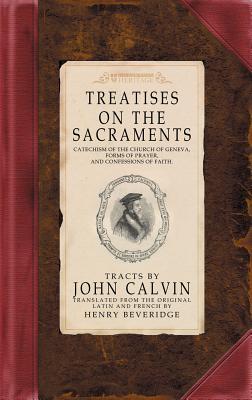
This unedited collection of sermons allows you to read John Calvin's own ideas on issues relating to the sacraments, catechisms, forms of prayer and confessions of faith.
One of the key issues that led to the Reformation and the birth of Protestantism was Rome's treatment of the Lord's Supper. Calvin and the Reformers believed the Catholic Mass was founded on a grave error that needed to be corrected. The majority of this collection majors on this key doctrine that still divides the church.






















John Calvin (1509 - 1584)
Was an influential French theologian and pastor during the Protestant Reformation. He was a principal figure in the development of the system of Christian theology later called Calvinism. Originally trained as a humanist lawyer, he broke from the Roman Catholic Church around 1530. After religious tensions provoked a violent uprising against Protestants in France, Calvin fled to Basel, Switzerland, where he published the first edition of his seminal work The Institutes of the Christian Religion in 1536.Calvin's writing and preachings provided the seeds for the branch of theology that bears his name. The Reformed, Congregational, and Presbyterian churches, which look to Calvin as the chief expositor of their beliefs, have spread throughout the world.
John Calvin was an influential French theologian and pastor during the Protestant Reformation. He was a principal figure in the development of the system of Christian theology later called Calvinism. Originally trained as a humanist lawyer, he broke from the Roman Catholic Church around 1530. After religious tensions provoked a violent uprising against Protestants in France, Calvin fled to Basel, Switzerland, where in 1536 he published the first edition of his seminal work Institutes of the Christian Religion.
Calvin's writing and preaching provided the seeds for the branch of theology that bears his name. The Presbyterian and other Reformed churches, which look to Calvin as a chief expositor of their beliefs, have spread throughout the world. Calvin's thought exerted considerable influence over major religious figures and entire religious movements, such as Puritanism, and some have argued that his ideas have contributed to the rise of capitalism, individualism, and representative democracy in the West.
Founder of Calvinism. John Calvin, a French scholar who became a leading preacher and dominant force in the Reformation of the 16th Century, studied at the University of Paris and at the University of Orleans. He became dissatisfied with the teachings of the Roman Catholic Church and allied himself with the cause of the Protestant Reformation in 1532.
When the king of France decided to settle the religious question in his country in favor of the Catholics, Calvin fled to Geneva, Switzerland, where his writings and lectures made Geneva the Rome of Protestantism. His institutes of the Christian religion became the basis for the Presbyterian way of thought and church life. Calvinism is the main doctrine of the Presbyterian and Reformed Churches.
... Show more