
Quote by Edmund Burke

“A História consiste, em sua maior parte, das misérias trazidas ao mundo por orgulho, ambição, avareza, vingança, luxúria, sedição, hipocrisia, zelo desgovernado e toda a linha de apetites desordenados que abalam a vida pública com as mesmas [...] agitadas tempestades que sacodem A vida privada, e tornam a existência amarga. Esses vícios são as causas dessas tempestades. A religião, a moral, as leis, as prerrogativas, os privilégios, as liberdades, os direitos dos homens são os pretextos. Os pretextos sempre aparecem com alguma aparência ilusória de um bem real. Você não preservaria os homens da tirania e da sedição ao extirpar da mente os princípios aos quais estes pretextos fraudulentos se aplicam?”
Be the first to react on this!



品牌集团


















© 2025 Bibleportal.com 版权所有.
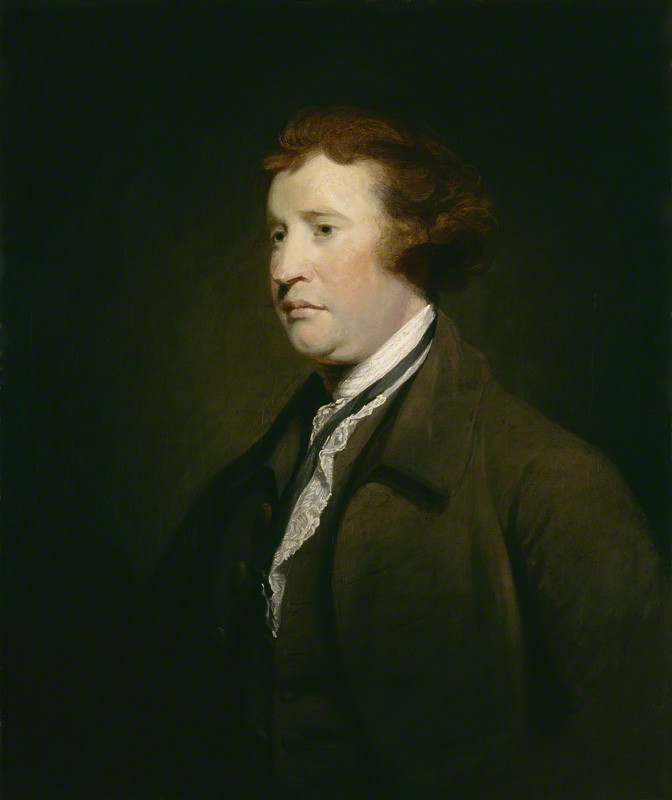
Edmund Burke, was born in Dublin, January 12, educated at a Quaker boarding school and at Trinity College, Dublin. In 1750 he entered the Middle Temple, London, but soon abandoned law for literary work.
The best of Burke's writings and speeches belong to this period, and may be described as a defense of sound constitutional statesmanship against prevailing abuse and misgovernment. In 1788 he opened the trial of Warren Hastings by the speech which will always rank among the masterpieces of English eloquence.
Burke had vast knowledge of political affairs, a glowing imagination, passionate sympathies, and an inexhaustible wealth of powerful and cultured expression. However, his delivery was awkward and speeches which today captivate the reader only served to empty the benches of the House of Commons (some speeches were in excess of eight hours).
One of the foremost political thinkers of 18th century England, Burke died July 9, 1797, and was buried in a little church at Beaconsfield.