
Quote by Edmund Burke

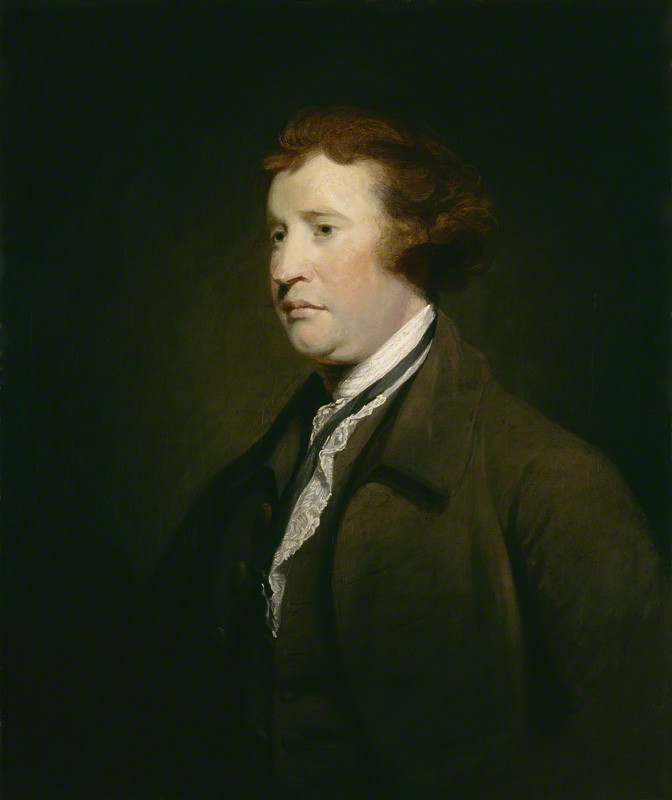
“But no name, no power, no function, no artificial institution whatsoever, can make the men, of whom any system of authority is composed, any other than God, and Nature, and education, and their habits of life have made them. Capacities beyond these the people have not to give. Virtue and wisdom may be the objects of their choice; but their choice confers neither the one nor the other on those upon whom they lay their ordaining hands. They have not the engagement of Nature, they have not the promise of Revelation for any such powers.”
Be the first to react on this!



品牌集团


















© 2025 Bibleportal.com 版权所有.
Edmund Burke, was born in Dublin, January 12, educated at a Quaker boarding school and at Trinity College, Dublin. In 1750 he entered the Middle Temple, London, but soon abandoned law for literary work.
The best of Burke's writings and speeches belong to this period, and may be described as a defense of sound constitutional statesmanship against prevailing abuse and misgovernment. In 1788 he opened the trial of Warren Hastings by the speech which will always rank among the masterpieces of English eloquence.
Burke had vast knowledge of political affairs, a glowing imagination, passionate sympathies, and an inexhaustible wealth of powerful and cultured expression. However, his delivery was awkward and speeches which today captivate the reader only served to empty the benches of the House of Commons (some speeches were in excess of eight hours).
One of the foremost political thinkers of 18th century England, Burke died July 9, 1797, and was buried in a little church at Beaconsfield.