
Quote by Thomas Merton

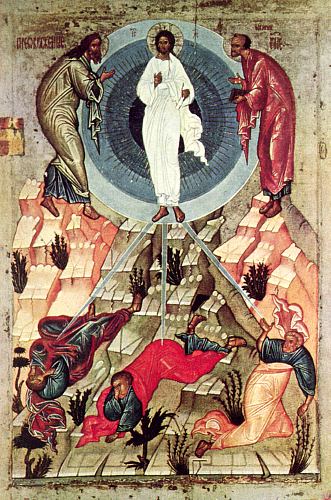
“CONTEMPLATION is the highest expression of man’s intellectual and spiritual life. It is that life itself, fully awake, fully active, fully aware that it is alive. It is spiritual wonder. It is spontaneous awe at the sacredness of life, of being. It is gratitude for life, for awareness and for being. It is a vivid realization of the fact that life and being in us proceed from an invisible, transcendent and infinitely abundant Source. Contemplation is, above all, awareness of the reality of that Source. It knows the Source, obscurely, inexplicably, but with a certitude that goes both beyond reason and beyond simple faith. For contemplation is a kind of spiritual vision to which both reason and faith aspire, by their very nature, because without it they must always remain incomplete. Yet contemplation is not vision because it sees “without seeing” and knows “without knowing.” It is a more profound depth of faith, a knowledge too deep to be grasped in images, in words or even in clear concepts. It can be suggested by words, by symbols, but in the very moment of trying to indicate what it knows the contemplative mind takes back what it has said, and denies what it has affirmed. For in contemplation we know by “unknowing.” Or, better, we know beyond all knowing or “unknowing.”
― Thomas Merton ,
Be the first to react on this!



品牌集团


















© 2025 Bibleportal.com 版权所有.
Thomas Merton wrote more than 70 books, mostly on spirituality, as well as scores of essays and reviews. Merton was a keen proponent of interfaith understanding.
Interest in his work contributed to a rise in spiritual exploration beginning in the 1960s and 1970s in the US. Merton's letters and diaries, reveal the intensity with which their author focused on social justice issues, including the civil rights movement and proliferation of nuclear arms. He had prohibited their publication for 25 years after his death. Publication raised new interest in Merton's life.