
Quote by Daniel Webster

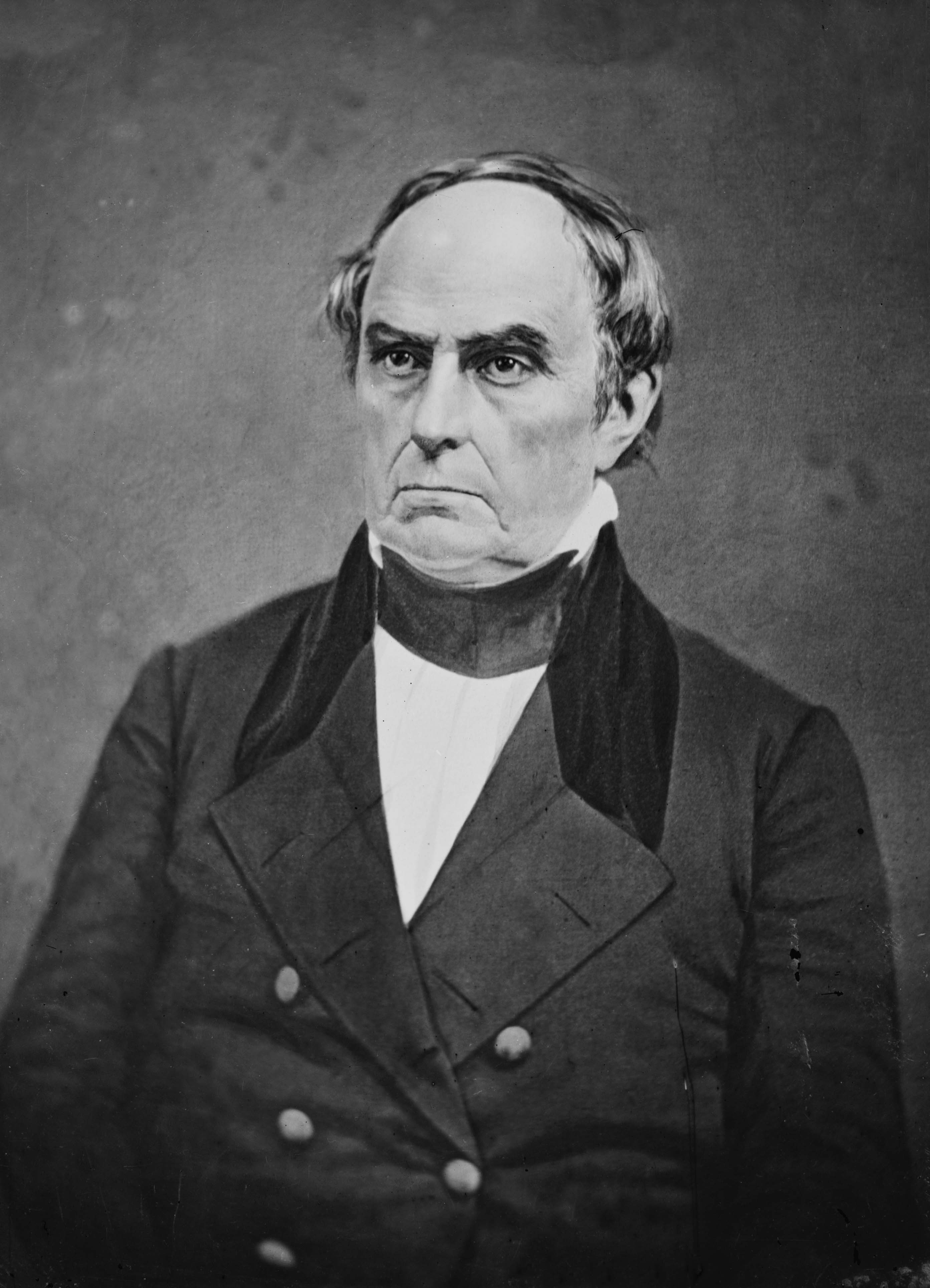
“Good intentions will always be pleaded for any assumption of power. The Constitution was made to guard the people against the dangers of good intentions. There are men in all ages who mean to govern well, but they mean to govern. They promise to be good master, but they mean to be master.”
Be the first to react on this!



品牌集团


















© 2025 Bibleportal.com 版权所有.
Daniel Webster was a leading American statesman during the nation's Antebellum Period. He first rose to regional prominence through his defense of New England shipping interests. His increasingly nationalistic views and the effectiveness with which he articulated them led Webster to become one of the most famous orators and influential Whig leaders of the Second Party System.
Daniel Webster was an attorney, and served as legal counsel in several cases that established important constitutional precedents that bolstered the authority of the Federal government. As Secretary of State, he negotiated the Webster-Ashburton Treaty that established the definitive eastern border between the United States and Canada.
Webster tried three times to achieve the Presidency; all three bids failed, the final one in part because of his compromises. Similarly, Webster's efforts to steer the nation away from civil war toward a definite peace ultimately proved futile. Despite this, Webster came to be esteemed for these efforts and was officially named by the U.S. Senate in 1957 as one of its five most outstanding members.