
Quote by Edmund Burke

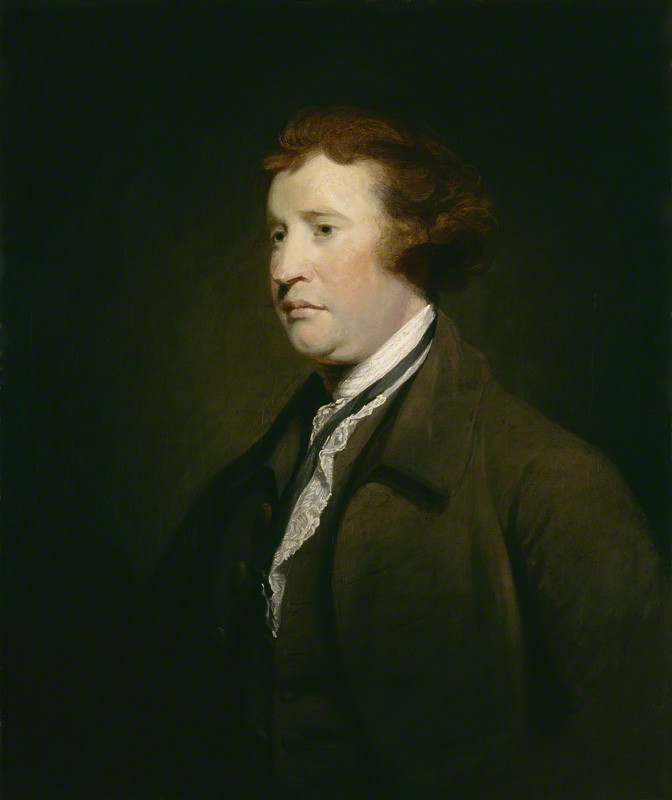
“The best were only men of theory. But whatever the distinguished few may have been, it is the substance and mass of the body which constitutes its character, and must finally determine its direction. In all bodies, those who will lead must also, in a considerable degree, follow. They must conform their propositions to the taste, talent, and disposition of those whom they wish to conduct: therefore, if an assembly is viciously or feebly composed in a very great part of it, nothing but such a supreme degree of virtue as very rarely appears in the world, and for that reason cannot enter into calculation, will prevent the men of talents disseminated through it from becoming only the expert instruments of absurd projects. If, what is the more likely event, instead of that unusual degree of virtue, they should be actuated by sinister ambition and a lust of meretricious glory, then the feeble part of the assembly, to whom at first they conform, becomes, in its turn, the dupe and instrument of their designs. In this political traffic, the leaders will be obliged to bow to the ignorance of their followers, and the followers to become subservient to the worst designs of their leaders.”
Be the first to react on this!



品牌集团


















© 2025 Bibleportal.com 版权所有.
Edmund Burke, was born in Dublin, January 12, educated at a Quaker boarding school and at Trinity College, Dublin. In 1750 he entered the Middle Temple, London, but soon abandoned law for literary work.
The best of Burke's writings and speeches belong to this period, and may be described as a defense of sound constitutional statesmanship against prevailing abuse and misgovernment. In 1788 he opened the trial of Warren Hastings by the speech which will always rank among the masterpieces of English eloquence.
Burke had vast knowledge of political affairs, a glowing imagination, passionate sympathies, and an inexhaustible wealth of powerful and cultured expression. However, his delivery was awkward and speeches which today captivate the reader only served to empty the benches of the House of Commons (some speeches were in excess of eight hours).
One of the foremost political thinkers of 18th century England, Burke died July 9, 1797, and was buried in a little church at Beaconsfield.