
Quote by Edmund Burke

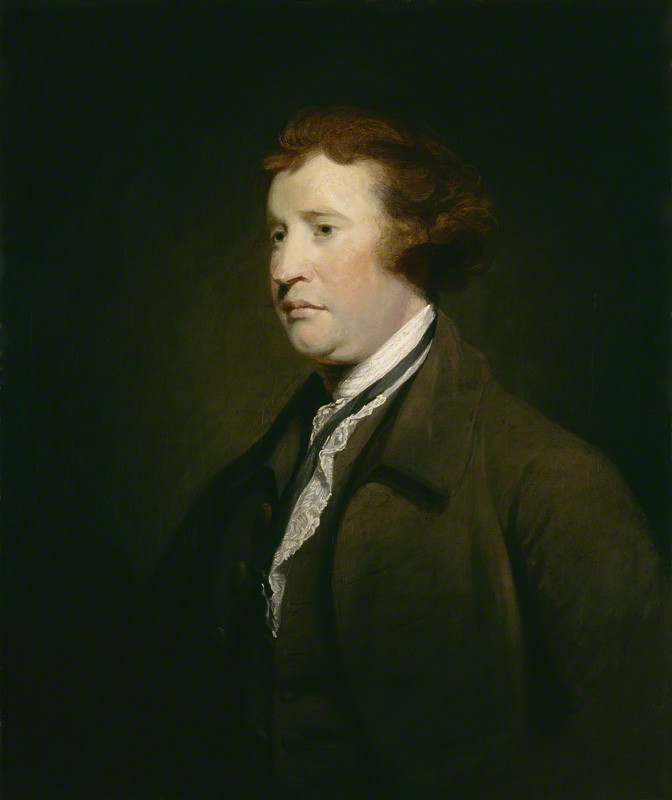
“The speculative line of demarcation, where obedience ought to end and resistance must begin, is faint, obscure, and not easily definable. It is not a single act or a single event which determines it. Governments must be abused and deranged indeed, before it can be thought of; and the prospect of the future must be as bad as the experience of the past. When things are in that lamentable condition, the nature of the disease is to indicate the remedy to those whom Nature has qualified to administer in extremities this critical, ambiguous, bitter potion to a distempered state. Times and occasions and provocations will teach their own lessons. The wise will determine from the gravity of the case; the irritable, from sensibility to oppression; the high-minded, from disdain and indignation at abusive power in unworthy hands; the brave and bold, from the love of honorable danger in a generous cause: but, with or without right, a revolution will be the very last resource of the thinking and the good. The”
Be the first to react on this!



品牌集团


















© 2025 Bibleportal.com 版权所有.
Edmund Burke, was born in Dublin, January 12, educated at a Quaker boarding school and at Trinity College, Dublin. In 1750 he entered the Middle Temple, London, but soon abandoned law for literary work.
The best of Burke's writings and speeches belong to this period, and may be described as a defense of sound constitutional statesmanship against prevailing abuse and misgovernment. In 1788 he opened the trial of Warren Hastings by the speech which will always rank among the masterpieces of English eloquence.
Burke had vast knowledge of political affairs, a glowing imagination, passionate sympathies, and an inexhaustible wealth of powerful and cultured expression. However, his delivery was awkward and speeches which today captivate the reader only served to empty the benches of the House of Commons (some speeches were in excess of eight hours).
One of the foremost political thinkers of 18th century England, Burke died July 9, 1797, and was buried in a little church at Beaconsfield.