
Quote by Alexander Whyte

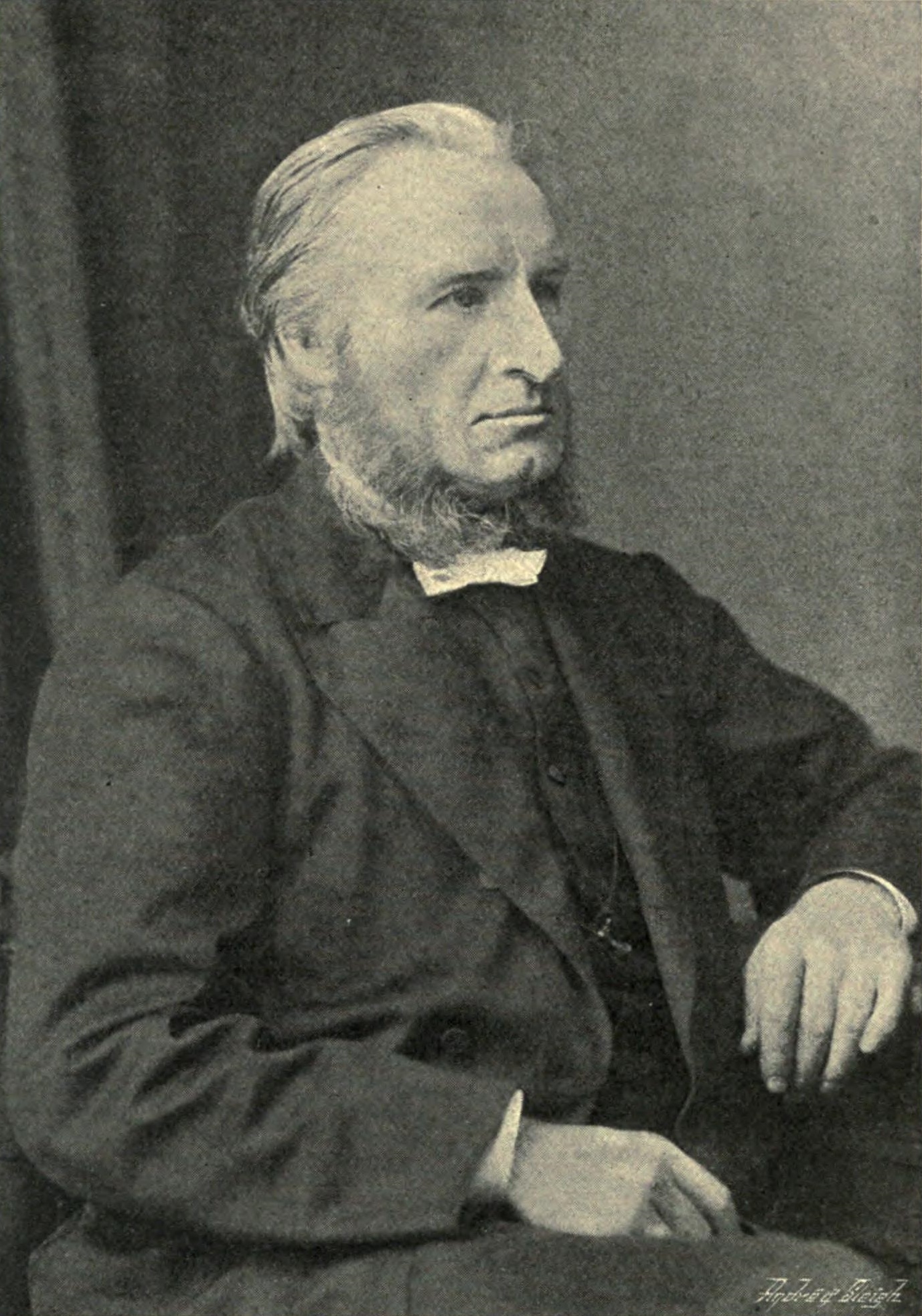
“We learn to tread more warily, to trust less to our own strength, to have lower thoughts of ourselves, and higher thoughts of Him; in which two last particulars I apprehend what the Scripture means by a growth of grace does properly consist. Both are increasing in the lively Christian: —-every day shows him more of his own heart, and more of the power, sufficiency, compassion, and grace of his adorable Redeemer; but neither will be complete till we get to Heaven. I”
Be the first to react on this!



品牌集团


















© 2025 Bibleportal.com 版权所有.
Alexander Whyte was a Scottish preacher, with a passion for the lost. He was born at Kirriemuir in Forfarshire and educated at the University of Aberdeen and at New College, Edinburgh.
He entered the ministry of the Free Church of Scotland and after serving as colleague in Free St John's, Glasgow (1866-1870), removed to Edinburgh as colleague and successor to Dr RS Candlish at Free St Georges. In 1909 he succeeded Dr Marcus Dods as principal, and professor of New Testament literature, at New College, Edinburgh.
He will always be remembered for his preaching for no ruler has held his subjects more captive than Alexander Whyte did from his pulpit.
After suffering a heart attack followed by several minor attacks, Whyte resigned his post and retired to Buckinghamshire. There he devoted the remainder of his life to reading and writing. He died January 6, 1921 in his sleep.
Alexander Whyte was a Scottish preacher, with a passion for the lost. He was born at Kirriemuir in Forfarshire and educated at the University of Aberdeen and at New College, Edinburgh.
He entered the ministry of the Free Church of Scotland and after serving as colleague in Free St John's, Glasgow (1866-1870), removed to Edinburgh as colleague and successor to Dr RS Candlish at Free St Georges. In 1909 he succeeded Dr Marcus Dods as principal, and professor of New Testament literature, at New College, Edinburgh.
He will always be remembered for his preaching for no ruler has held his subjects more captive than Alexander Whyte did from his pulpit.
After suffering a heart attack followed by several minor attacks, Whyte resigned his post and retired to Buckinghamshire. There he devoted the remainder of his life to reading and writing. He died January 6, 1921 in his sleep.