
Inspirational Quotes on Writing


“In most books, the I, or first person, is omitted; in this it will be retained; that, in respect to egotism, is the main difference. We commonly do not remember that it is, after all, always the first person that is speaking. I should not talk so much about myself if there were anybody else whom I knew as well. Unfortunately, I am confined to this theme by the narrowness of my experience. Moreover, I, on my side, require of every writer, first or last, a simple and sincere account of his own life, and not merely what he has heard of other men's lives; some such account as he would send to his kindred from a distant land; for if he has lived sincerely, it must have been in a distant land to me. Perhaps these pages are more particularly addressed to poor students. As for the rest of my readers, they will accept such portions as apply to them. I trust that none will stretch the seams in putting on the coat, for it may do good service to him whom it fits.”

“I have wrought my simple plan If I give one hour of joy To the boy who’s half a man, Or the man who’s half a boy.”

“The Author To Her Book Thou ill-formed offspring of my feeble brain, Who after birth did'st by my side remain, Till snatcht from thence by friends, less wise than true, Who thee abroad exposed to public view, Made thee in rags, halting to th' press to trudge, Where errors were not lessened (all may judge). At thy return my blushing was not small, My rambling brat (in print) should mother call. I cast thee by as one unfit for light, The visage was so irksome in my sight, Yet being mine own, at length affection would Thy blemishes amend, if so I could. I washed thy face, but more defects I saw, And rubbing off a spot, still made a flaw. I stretcht thy joints to make thee even feet, Yet still thou run'st more hobbling than is meet. In better dress to trim thee was my mind, But nought save home-spun cloth, i' th' house I find. In this array, 'mongst vulgars may'st thou roam. In critic's hands, beware thou dost not come, And take thy way where yet thou art not known. If for thy father askt, say, thou hadst none; And for thy mother, she alas is poor, Which caused her thus to send thee out of door.”
topics: authorship , books , composition , craft , criticism , perfection , poetry , publication , writing

“Because, as we know, almost anything can be read into any book if you are determined enough. This will be especially impressed on anyone who has written fantastic fiction. He will find reviewers, both favourable and hostile, reading into his stories all manner of allegorical meanings which he never intended. (Some of the allegories thus imposed on my own books have been so ingenious and interesting that I often wish I had thought of them myself.)”
― C.S. Lewis ,
topics: writing
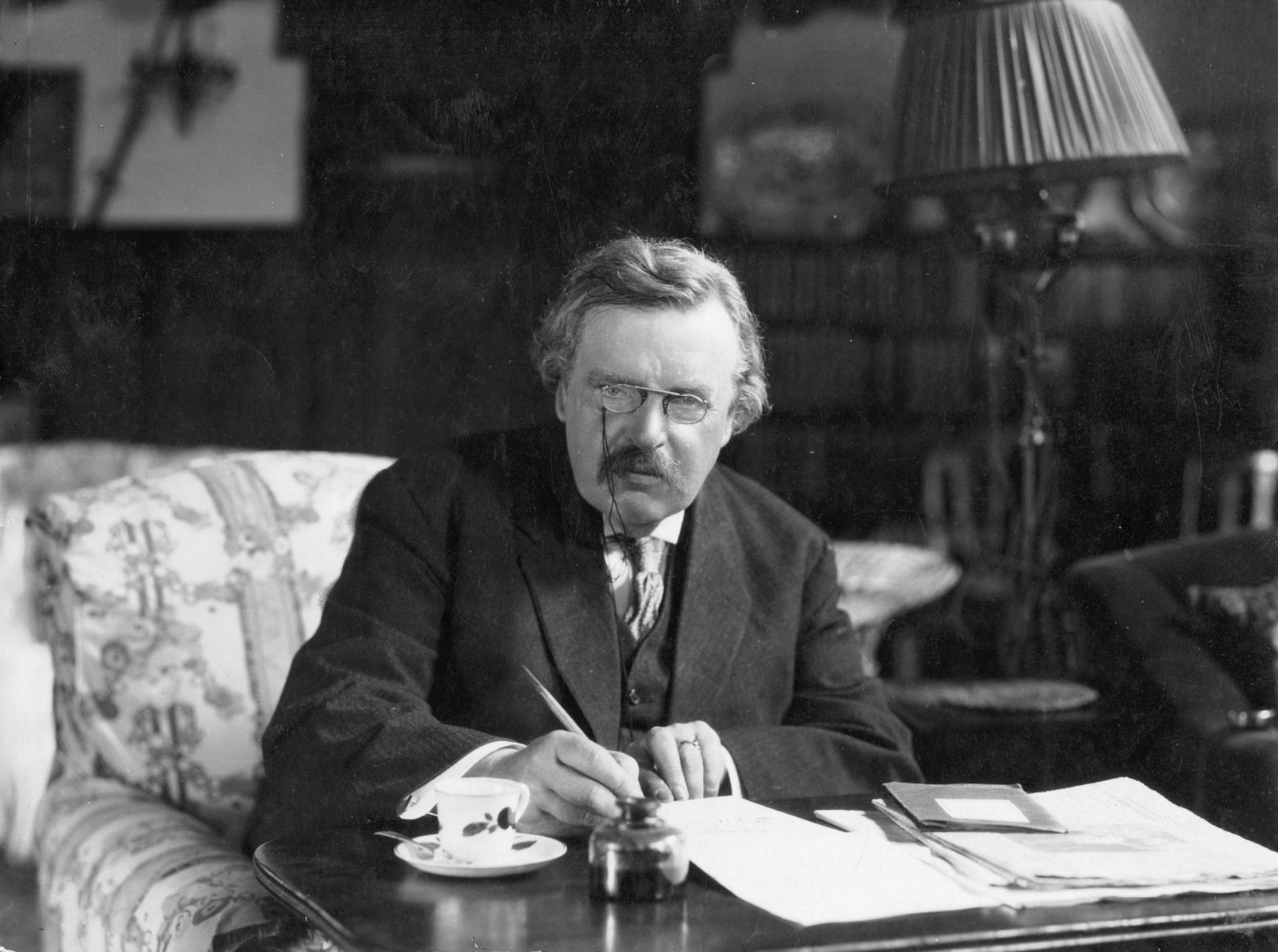
“It is the fate of most men who mingle with the world, and attain even the prime of life, to make many real friends, and lose them in the course of nature. It is the fate of all authors or chroniclers to create imaginary friends, and lose them in the course of art. Nor is this the full extent of their misfortunes; for they are required to furnish an account of them besides.”
“Every good book should be entertaining. A good book will be more; it must not be less. Entertainment…is like a qualifying examination. If a fiction can’t provide that, we may be excused from inquiring into its higher qualities.”
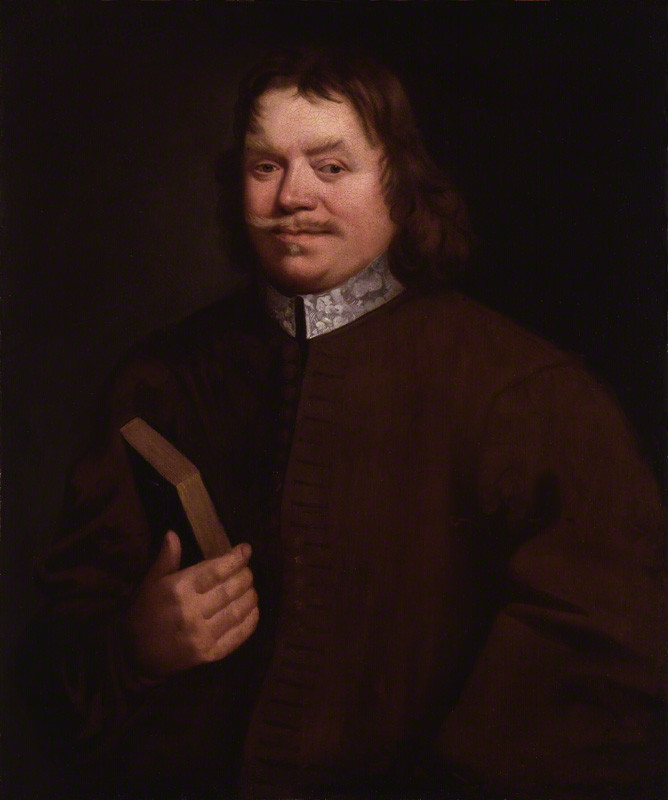
“Now may this little Book a blessing be To those that love this little Book, and me: And may its Buyer have no cause to say, His money is but lost, or thrown away.”
“[A] finished tale may give a man immortality in the light and literary sense; but an unfinished tale suggests another immortality, more essential and more strange.”

“I count myself as one of the number of those who learn as they write and write as they learn.”
“Good characters in fiction are the very devil. Not only because most authors have too little material to make them of, but because we as readers have a strong subconscious wish to find them incredible.”
“If words are to enter men's minds and bear fruit, they must be the right words shaped cunningly to pass men's defenses and explode silently and effectually within their minds.”

“But perhaps it is always so, that men form their conceptions from fictitious, conventional types, and then—all the combinations made—they are tired of the fictitious figures and begin to invent more natural, true figures.”
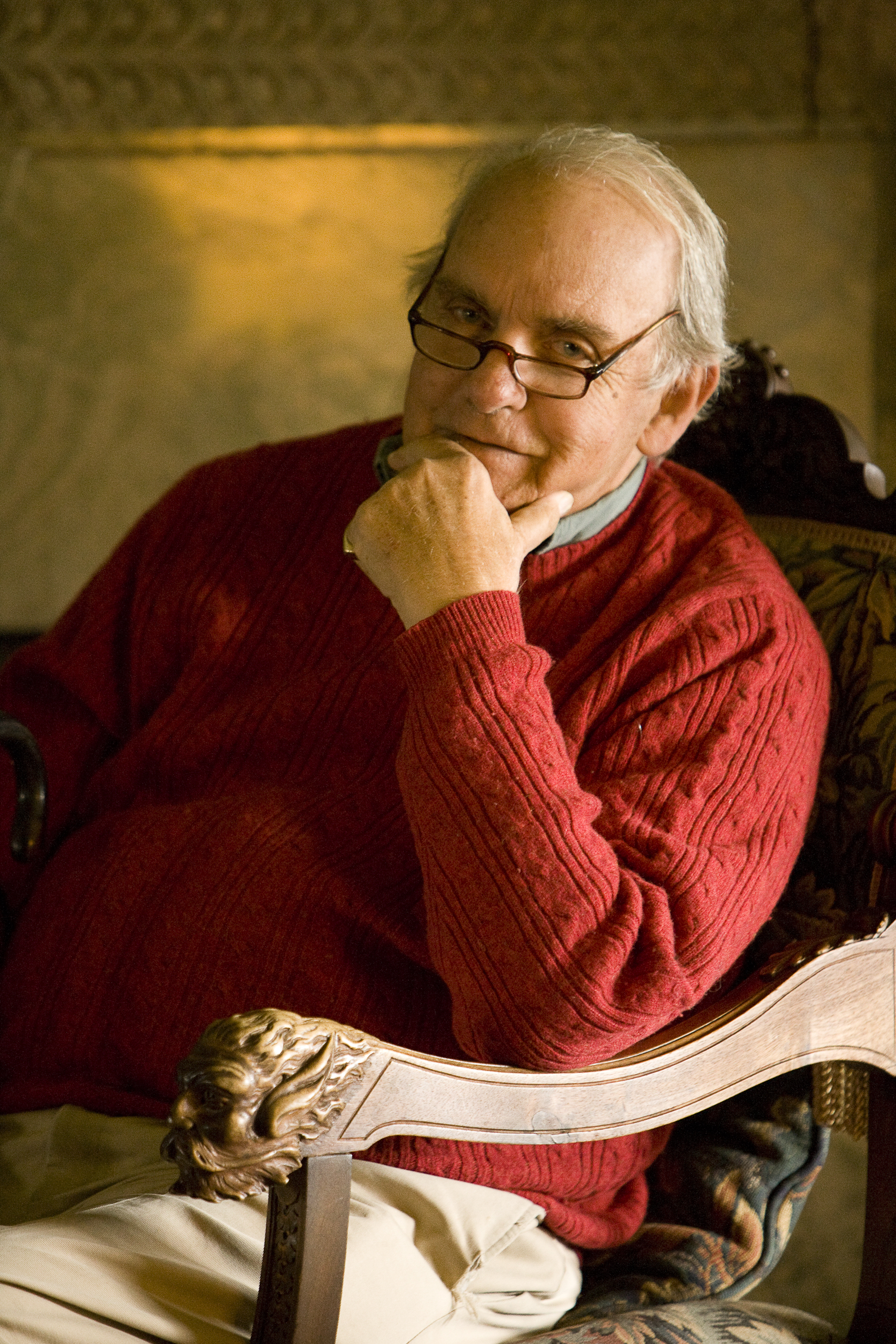
“If writers write not just with paper and ink or a word processor but with their own life's blood, then I think something like this is perhaps always the case. A book you write out of the depths of who you are, like a dream you dream out of those same depths, is entirely your own creation. All the words your characters speak are words that you alone have put into their mouths, just as every situation they become involved in is one that you alone have concocted for them. But it seems to me that nonetheless that a book you write, like a dream you dream, can have more healing and truth and wisdom in it at least for yourself than you feel in any way responsible for.”
― Frederick Buechner ,
from Telling Secrets
“Modern tragic writers have to write short stories; if they wrote long stories…cheerfulness would creep in. Such stories are like stings; brief, but purely painful.”
― G.K. Chesterton ,
“My writing is like those little carved baskets made in prisons…”
“I sometimes think that writing is like driving a sheep down the road. If there's any gate open to the left or the right the reader will most certainly go into it.”
“I enjoy writing fiction more than writing anything else. Wouldn't anyone?”
― C.S. Lewis ,
from Letters to Children
“The orator yields to the inspiration of a transient occasion, and speaks to the mob, before him, to those who can hear him; but the writer, whose more equable life is his crowd which inspire the orator, speaks to the intellect and heart of mankind, to all in any age who can understand him.”
“It is the fate of all authors or chroniclers to create imaginary friends, and lose them in the course of art.”
“Words written fifty years ago, a hundred years ago, a thousand years ago, can have as much of this power today as ever they had it then to come alive for us and in us and to make us more alive within ourselves. That, I suppose, is the final mystery as well as the final power of words: That not even across great distances of time and space do they ever lose their capacity for becoming incarnate. And when these words tell of virtue and nobility, when they move closer to that truth and gentleness of spirit by which we become fully human, the reading of them is sacramental; and a library is as holy a place as any temple is holy because through the words which are treasured in it the Word itself becomes flesh again and again and dwells among us and within us, full of grace and truth. Frederick Buechner, A Room Called Remember, in an essay called The Speaking and Writing of Words.”



Group of Brands


















© 2026 Bibleportal.com All rights reserved.